Unparalleled Drone Detection Radar: The Future of Aerial Security
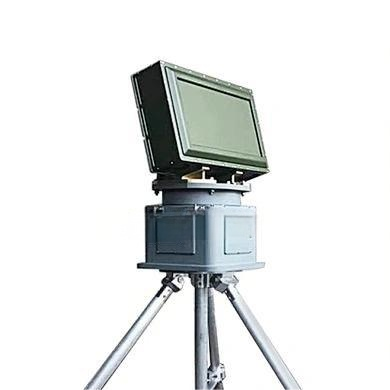
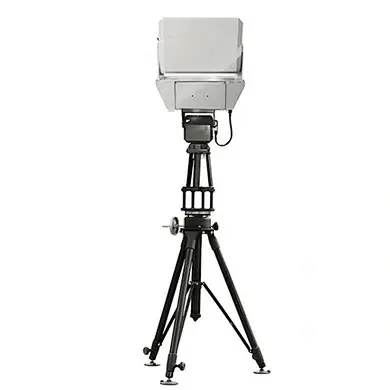
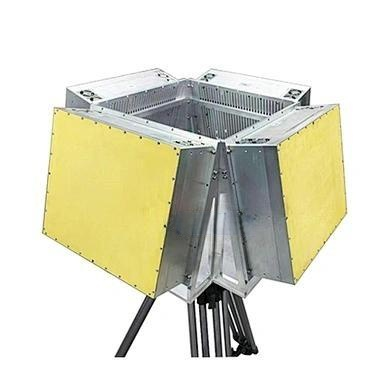
nnIn an era where unmanned aerial systems pose increasing threats to critical infrastructure, the Ku band four sections drone detection radar emerges as a transformative solution. This advanced system redefines aerial surveillance by combining the high-frequency Ku band’s exceptional resolution with a revolutionary four-sector architecture. The result is a drone radar capable of detecting small, low-RCS targets from up to 5 kilometers away, all while maintaining 360-degree coverage. Whether safeguarding military installations, airports, or urban hubs, this technology ensures that no approach vector goes unmonitored.nnWhat truly distinguishes this UAV detection radar is its ability to overcome traditional surveillance limitations. By analyzing micro-Doppler signatures, it reliably distinguishes between drones, birds, and debris, slashing false alarm rates. This precision is critical in sensitive environments where every second counts. Additionally, the system’s rapid self-calibration feature automatically adjusts to environmental factors like wind or thermal gradients, guaranteeing peak performance without operator intervention. The Ku band four sections drone detection radar is not just a tool—it’s a sentinel that adapts, learns, and protects.nn
How the Four-Sector Architecture Elevates Drone Radar Performance
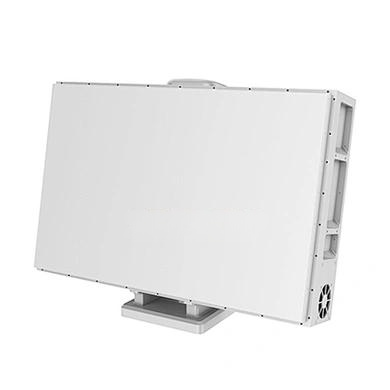
nnThe foundation of this system lies in its four independently controlled sections, each covering 90 degrees azimuth. This setup provides comprehensive situational awareness, allowing simultaneous tracking of multiple threats from different directions. Unlike single-panel radars, this design eliminates blind spots and enables rapid target handoff between sectors. The drone detection radar can process over 800 targets in searching mode and track 16 simultaneously, automatically prioritizing the most dangerous UAVs based on speed, trajectory, and flight patterns.nnSuch capability is essential in cluttered environments where drone swarms or coordinated attacks might overwhelm standard systems. The four sections drone radar also supports networking, allowing multiple units to create an extended detection grid. This modular approach ensures scalability for large perimeters or temporary high-profile events, adapting to evolving security needs without sacrificing accuracy.nn
Technical Specifications: The Backbone of Ku Band Drone Detection Radar
nnThe performance of this system is underpinned by robust engineering and cutting-edge signal processing. Below is a detailed breakdown of its key parameters:nn| Parameter | Specification |n|———–|————–|n| Operation Type | 3D Solid State Full Phase Reference Active 2D Phased Array |n| Frequency Band | Ku-band |n| Detection Range | ≥5 km (Target RCS = 0.01 m²) |n| Azimuth Coverage | 90° per section (360° total) |n| Elevation Angle Coverage | 40° (searching), 60° (tracking) |n| Altitude Capability | ≤1000 m (Target RCS = 0.01 m²) |n| Detectable Target Speed Range | 1–100 m/s |n| Data Rate | ≤3 s (searching), ≤0.2 s (tracking) |n| Range Accuracy (RMS) | ≤10 m |n| Azimuth Accuracy (RMS) | ≤0.4° (searching), ≤0.2° (tracking) |n| Elevation Accuracy (RMS) | ≤0.6° (searching and tracking) |n| Target Handling Capacity | ≥800 (searching), ≥16 (tracking) per section |n| Fault Detection Rate | ≥90% |n| Power Supply | 24 VDC |n| Power Consumption | ≤320 W per section |n| Control Interface | LAN |n| Operating Temperature Range | -40°C to +65°C |nnThis data reflects the drone detection radar’s ability to function in extreme conditions, from Arctic cold to desert heat. The low power consumption and LAN control also simplify integration into existing security infrastructures.nn
Advanced Algorithms and AI in the UAV Detection Radar
nnBeyond hardware, the software intelligence of the Ku band four sections drone detection radar is a game-changer. Its adaptive frequency agility counters jamming attempts, while machine learning algorithms continuously refine classification accuracy. The system analyzes micro-Doppler signatures to differentiate UAVs from birds, reducing false alarms even in dense avian traffic. Over-the-air updates and remote diagnostics ensure it evolves with emerging threats without requiring manual recalibration.nnThis AI-driven approach enhances the drone tracking radar’s reliability in challenging electromagnetic environments, such as near airports or communication towers. The intuitive interface provides operators with 3D airspace visualizations and customizable alerts, transforming raw data into actionable intelligence. For security teams, this means faster response times and better resource allocation.nn
Operational Benefits of the Four Sections Drone Radar
nnDeploying this drone detection radar offers tangible advantages in real-world scenarios. Its modular design supports fixed installations, mobile platforms, or temporary setups, making it versatile for diverse applications. When integrated with electro-optical systems or counter-drone measures, the system creates a layered defense that automatically prioritizes threats. The rapid self-calibration feature minimizes downtime, while the fault detection rate above 90% ensures operational continuity.nnFor critical infrastructure protection, the four sections drone radar excels at persistent surveillance. Its 360-degree coverage and simultaneous tracking capability mean no threat goes unnoticed. The elevated tracking accuracy (azimuth ≤0.2°, elevation ≤0.6°) allows precise handoff to countermeasures, reducing collateral risk. Additionally, the system’s power efficiency and wide temperature range make it suitable for remote or harsh locations, from oil rigs to border posts.nn
Conclusion: Elevating Aerial Security with Advanced Drone Detection Radar
nnThe Ku band four sections drone detection radar sets a new benchmark in UAV surveillance. Its combination of high-frequency accuracy, four-sector coverage, and AI-powered classification addresses the most pressing security challenges of our time. From its technical specifications—like the 5-km range and 360-degree monitoring—to its operational flexibility and low false alarm rate, this drone tracking radar is an indispensable asset for protecting lives and assets. As drone threats become more sophisticated, investing in such intelligent, adaptive technology is not just wise—it’s essential for future-ready security.