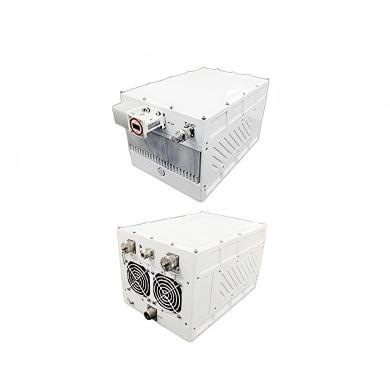
Understanding the Solid-State Power Amplifier (SSPA) in Modern Communication Systems
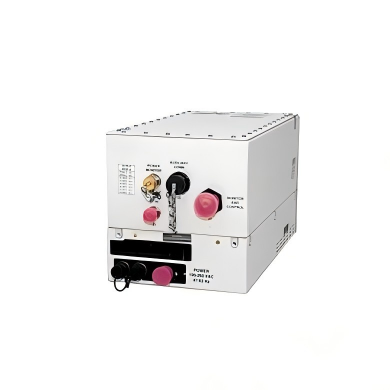
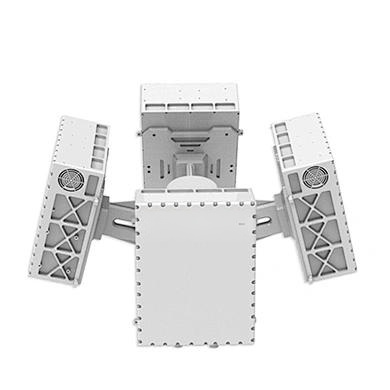
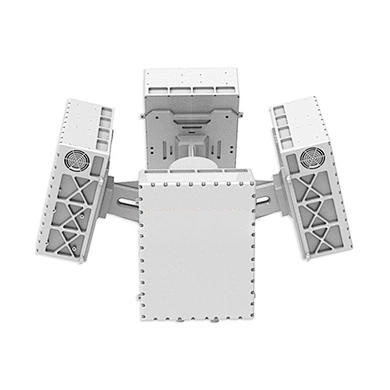
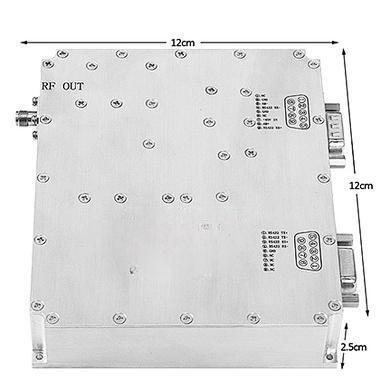
nnIn today’s fast-paced world, communication technology serves as a vital bridge connecting people, businesses, and nations across the globe. At the heart of many advanced communication systems lies a critical component: the solid-state power amplifier (SSPA). This remarkable electronic device is designed to amplify weak radio frequency (RF) signals, ensuring that information can be transmitted over long distances with exceptional clarity and reliability. Without SSPAs, modern communication networks—from satellite links to radar systems—would lose their efficiency and reach.nnA solid-state power amplifier utilizes cutting-edge semiconductor technology, such as transistors made from gallium nitride (GaN) or other advanced materials, to boost the power of RF signals. Unlike older technologies that rely on vacuum tubes, SSPAs are built with solid-state components, offering a robust and compact alternative. They are indispensable in a wide range of applications, including telecommunications, radar surveillance, satellite communications, and scientific research. The widespread adoption of SSPAs is a direct result of their numerous advantages, which set them apart from traditional amplifier solutions.nnOne of the standout features of SSPAs is their exceptional efficiency. By using advanced semiconductor materials like GaN, these amplifiers convert electrical energy into RF energy with minimal waste, reducing overall power consumption and operational costs. This efficiency is particularly valuable in environments where energy resources are limited or expensive. Additionally, the solid-state design eliminates vulnerable mechanical parts, such as moving filaments, which are common in tube-based amplifiers. This leads to a longer operational lifespan and significantly lower maintenance requirements, making SSPAs ideal for deployment in harsh or remote locations, including desert terrains, polar stations, or onboard spacecraft.nnThe compact form factor of SSPAs is another major benefit. Their solid-state construction allows for a smaller, lighter footprint, which simplifies installation and transportation. This makes them especially suited for mobile applications, such as vehicle-mounted communication units, or space-constrained settings like satellite payloads and unmanned aerial vehicles (UAVs). In essence, SSPAs are not merely components—they are enablers of next-generation connectivity. They allow satellite networks to blanke the Earth with high-speed internet, enhance the accuracy of radar systems for weather monitoring and defense, and empower scientists to conduct precise experiments in fields like radio astronomy.nnTo meet the demands of these advanced applications, SSPAs must adhere to rigorous performance standards. Below is a detailed technical specification table for a typical high-power SSPA operating in the Ku-band, illustrating the precise parameters that define its capabilities.nn
Key Specifications of a High-Performance SSPA
nn
Electrical Specifications
n
| Parameter | Value |
|---|---|
| Frequency Range | 13-15 GHz |
| Rated Power | +60 dBm / 1000 W |
| Gain Adjustment | 0-30 dB (step 0.1 dB) |
| Gain Flatness | 0.5 dB p-p |
| Gain | ≥65 dB |
| Gain Stability | ±0.5 dB / 24h |
| IM3 | -26 dBc |
| Spurious | ≤-60 dBc |
| Noise Power Density | ≤-135 dBW / 4 kHz |
| AM/PM Conversion | ≤3° / dB |
| Group Delay | ≤0.5 nS (p-p) |
| Power Supply | 220 VAC |
| Power Consumption | 6500 W |
nn
Mechanical Specifications
n
| Parameter | Value |
|---|---|
| Dimensions | 8U, 19-inch Chassis |
| RF Connectors (Input) | SMA |
| RF Connectors (Output) | WR62 / BJ140 |
| Communication Interface | LAN / RS485 / RS422 / RS232 (optional) |
| Cooling Method | Forced Air Cooling |
nn
The Role of SSPA in Driving Technological Progress
nnThe solid-state power amplifier is more than a technical innovation—it is a cornerstone of modern infrastructure. By enabling stronger, clearer, and more efficient signal transmission, SSPAs bridge the gap between raw data and meaningful communication. Whether it’s a satellite beaming television signals to millions of homes, a radar station tracking weather patterns, or a research facility studying the cosmos, the SSPA ensures reliability and performance under the most demanding conditions.nnIn conclusion, the evolution of solid-state power amplifiers has revolutionized how we connect and communicate. Their efficiency, durability, and adaptability make them indispensable in a world that depends on instant and reliable information exchange. As technology continues to advance, the SSPA will remain a key driver, making our global network more interconnected, efficient, and powerful than ever before.