Understanding the Dual-Band Combiner: A Critical Component for Modern Networks
n
In the fast-evolving landscape of telecommunications and wireless infrastructure, the ability to manage multiple frequency bands seamlessly is paramount. A Dual-Band Combiner serves as an essential device that enables the efficient merging of signals from two distinct frequency ranges into a single transmission path. This not only reduces the need for multiple antennas but also simplifies cabling, lowers maintenance costs, and optimizes space in crowded equipment racks. Whether you are deploying a 4G LTE network, expanding 5G coverage, or maintaining a multi-band radio system, understanding the capabilities of a high-quality combiner is critical for ensuring signal integrity and system performance.
nn
What Makes a Dual-Band Combiner Indispensable?
n
Network operators and system integrators constantly face the challenge of supporting legacy and next-generation services simultaneously. A well-engineered Dual-Band Combiner eliminates the complexity of separate signal paths by allowing two distinct frequency bands—such as 698–806 MHz and 880–960 MHz—to share a single antenna or feeder cable. This functionality is vital for minimizing tower loading, reducing equipment costs, and streamlining installation. But beyond the obvious benefits of consolidation, the true merit of a combiner lies in its ability to preserve signal quality, which is defined by a set of rigorous technical parameters.
nn
Key Performance Specifications of the Dual-Band Combiner
n
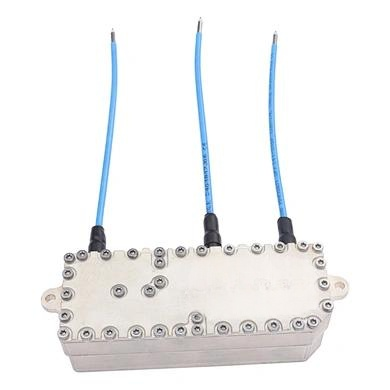
To fully appreciate the role of a Dual-Band Combiner in a real-world deployment, it is necessary to examine the technical characteristics that dictate its performance. These specifications determine how effectively the device can combine signals without introducing loss, distortion, or interference. The table below presents the core parameters of a typical high-performance dual-band combiner, which are essential for engineers and procurement teams to evaluate before integration.
nn
| Parameter | Specification / Value |
|---|---|
| Name | Dual-Band Combiner |
| Frequency Range (MHz) | 698–806 | 880–960 |
| Insertion Loss (dB) | ≤ 0.5 |
| Isolation (dB) | > 25 |
| Return Loss (dB) | ≥ 19 |
| VSWR (dB) | ≤ 1.25 |
| Intermodulation Products (dBm) | ≤ -153 dBc (with 2 x 43 dBm) |
| Maximum Input (W) | 50 |
| Operating Temperature (°C) | -40 to +65 |
| Relative Humidity (%) | 0 to 95 |
| Impedance (Ω) | 50 |
| Size (mm) | 115.2 × 52.2 × 37.8 |
| Weight (g) | 250 |
| Connector Type | 141FEP (50Ω) cable |
| Ingress Protection | IP65 (typical for outdoor use) |
| Color | GREY |
nn
Decoding the Numbers: Why These Specs Matter
n
Every specification in the table above plays a direct role in the overall performance of the Dual-Band Combiner. For instance, the insertion loss of ≤ 0.5 dB ensures that minimal power is wasted when signals pass through the device, which is especially important for preserving the strength of weaker signals. High isolation (> 25 dB) guarantees that signals from the two input bands do not leak into each other, preventing cross-contamination that could degrade service quality. The low VSWR (≤ 1.25) and high return loss (≥ 19 dB) indicate excellent impedance matching, which reduces signal reflections and ensures efficient power transfer. Furthermore, the intermodulation products specification of ≤ -153 dBc demonstrates that the combiner itself will not generate harmful interference, even when handling high-power transmissions like two 43 dBm carriers. This level of performance is crucial for maintaining clean, reliable communication in dense RF environments.
nn
Physical Design and Environmental Resilience
n
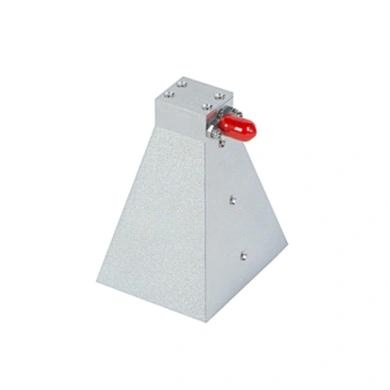
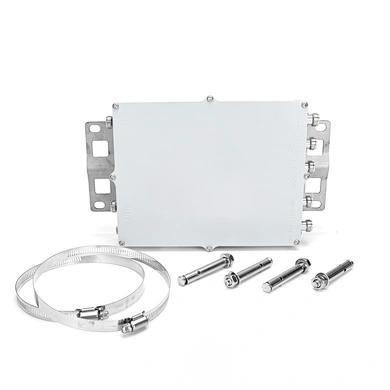
Beyond electrical performance, the physical attributes of a Dual-Band Combiner are equally important for real-world applications. The compact dimensions (115.2 x 52.2 x 37.8 mm) and light weight (250 g) allow for easy installation in confined spaces such as small enclosures, cabinets, or even on tower structures. The use of a 141FEP 50Ω cable with a rugged connector ensures durability and consistent signal handling over long distances. Additionally, the specified ingress protection rating (commonly IP65 for such devices) combined with a wide operating temperature range (-40 to +65°C) and high humidity tolerance (0–95%) guarantees reliable operation in harsh outdoor environments. The neutral grey color also facilitates discreet installation without attracting unwanted visual attention.
nn
Conclusion: Choosing the Right Dual-Band Combiner for Your System
n
Selecting a high-performance Dual-Band Combiner is a strategic decision that directly influences network efficiency, signal clarity, and long-term operational costs. By carefully evaluating key parameters such as insertion loss, isolation, VSWR, and intermodulation performance, engineers can ensure that the combiner will not become a bottleneck in the signal chain. The device detailed in this article exemplifies how modern combiners offer a perfect balance of electrical integrity, mechanical convenience, and environmental ruggedness. Whether you are upgrading an existing base station or designing a new distributed antenna system, investing in a quality Dual-Band Combiner will pay dividends by simplifying architecture, reducing interference, and delivering consistent, high-quality service across multiple frequency bands. Always consult the full technical datasheet and consider your specific frequency bands, power levels, and deployment conditions to make the most informed choice.