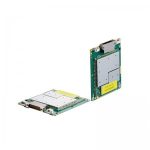
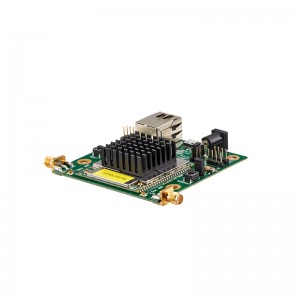
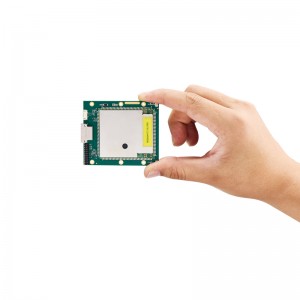
Key Features
Self-Forming & Self-Healing Mesh Network
A decentralized, adaptive network that maintains seamless connectivity even as nodes dynamically join, leave, or are lost.
Stable, High-Quality Data Transmission
Uses adaptive coding and modulation to automatically adjust to signal conditions—ensuring consistent performance without drastic rate fluctuations.
Long-Range & Non-Line-of-Sight (NLOS) Capable
- UGVs (Ground Vehicles): 1–3 km NLOS
- UAVs (Air-to-Ground): Up to 10 km
Precision Control for UAV/UGV Fleets
Dual serial ports enable:
- Port 1: IP-based control for managing multiple units from a single center
- Port 2: Transparent transmission and broadcast control
Easy Network Management
- Intuitive software for real-time monitoring of topology, SNR, RSSI, and node distances
- API for third-party platform integration
- Fully self-organizing—no manual intervention required during operation
Anti-Jamming & Electronic Warfare Resilient
Combines frequency hopping, adaptive modulation, adaptive RF power, and MANET routing to maintain connectivity in contested environments.
Versatile Connectivity
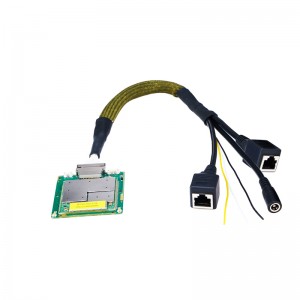
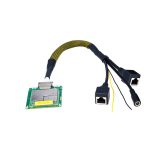
Three Ethernet ports support integration with cameras, onboard PCs, sensors, and other data devices.
Robust Aviation-Grade Interface
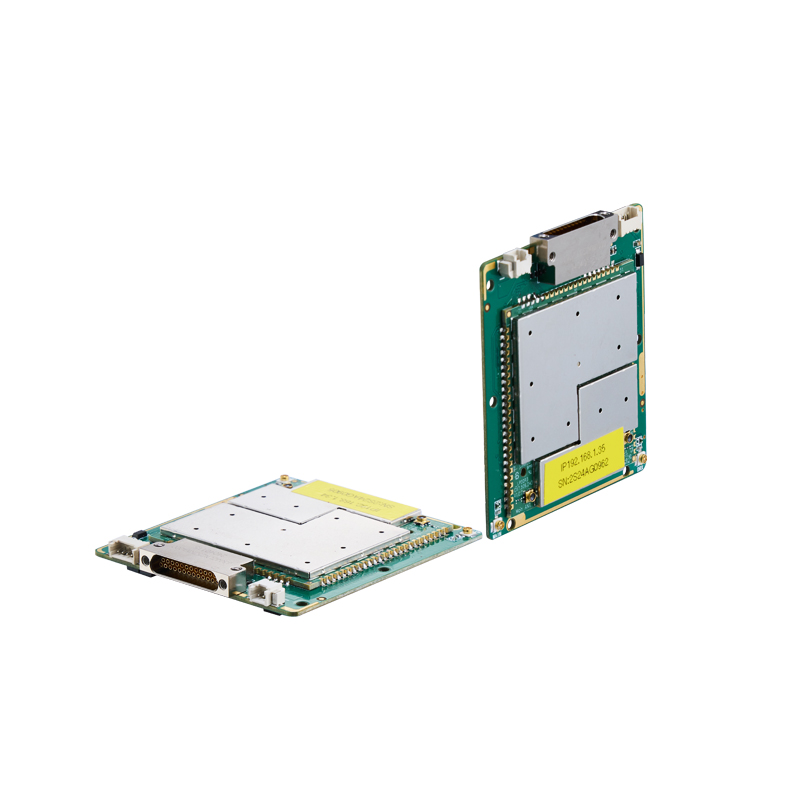
J30JZ connectors offer a compact, lightweight, and reliable connection with excellent EMI shielding and impact resistance—configurable to meet diverse communication needs.
Advanced Security
- Supports ZUC, SNOW3G, and AES128 encryption
- Allows end-user password customization
Wide Power Input Range
Operates reliably on 5–32V DC, suitable for varied mobile and airborne platforms.
Let me know if you’d like this tailored for a datasheet, website, or presentation.
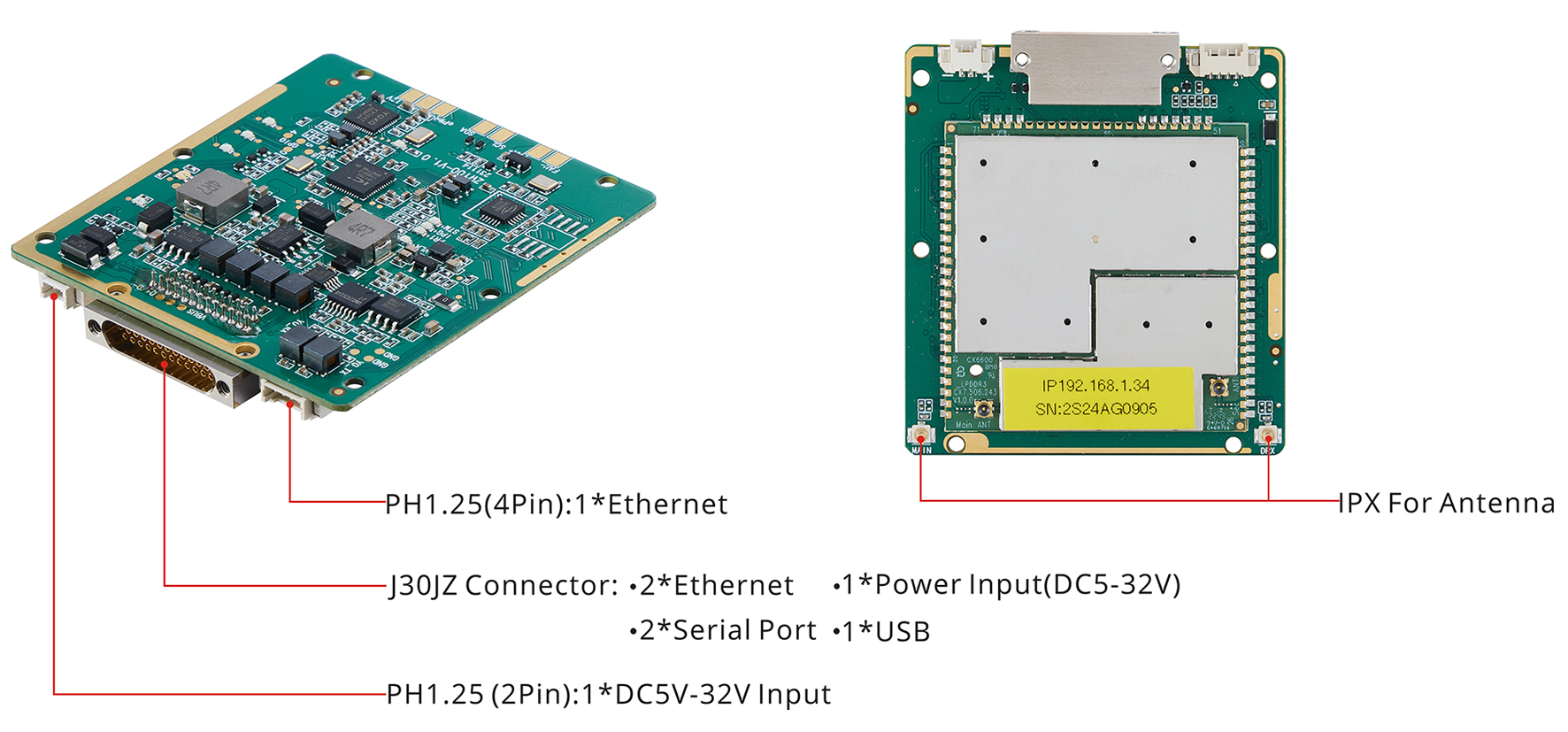
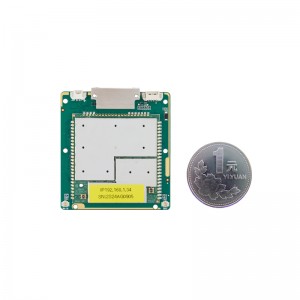
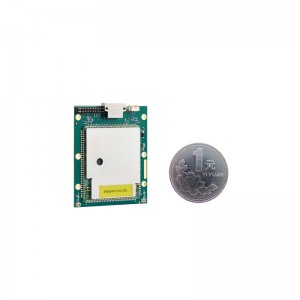
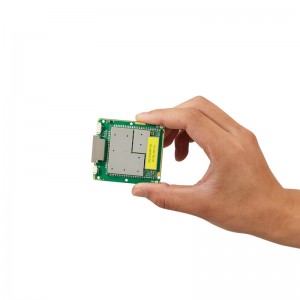
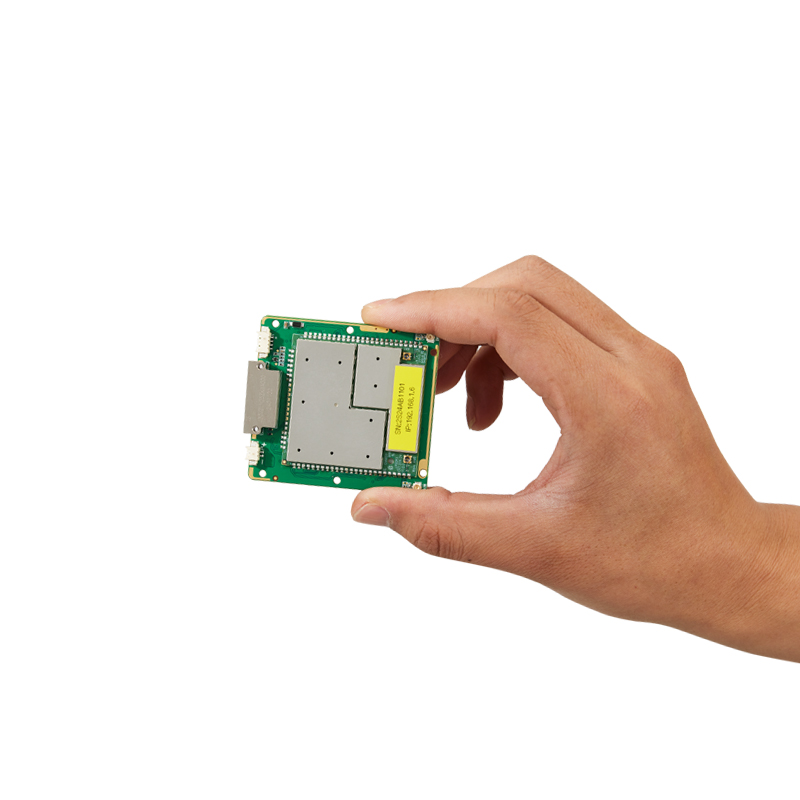
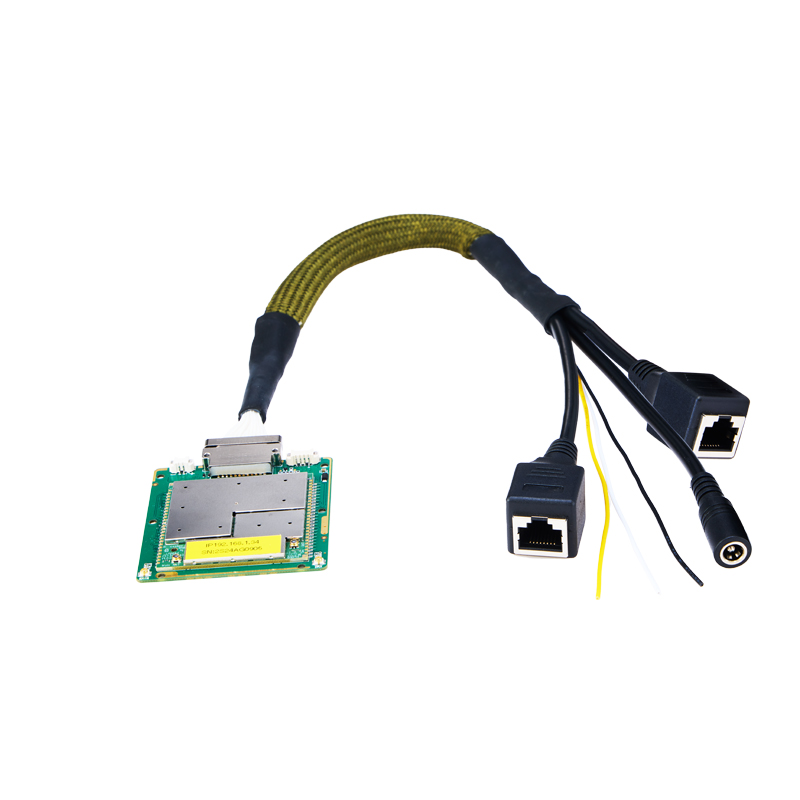
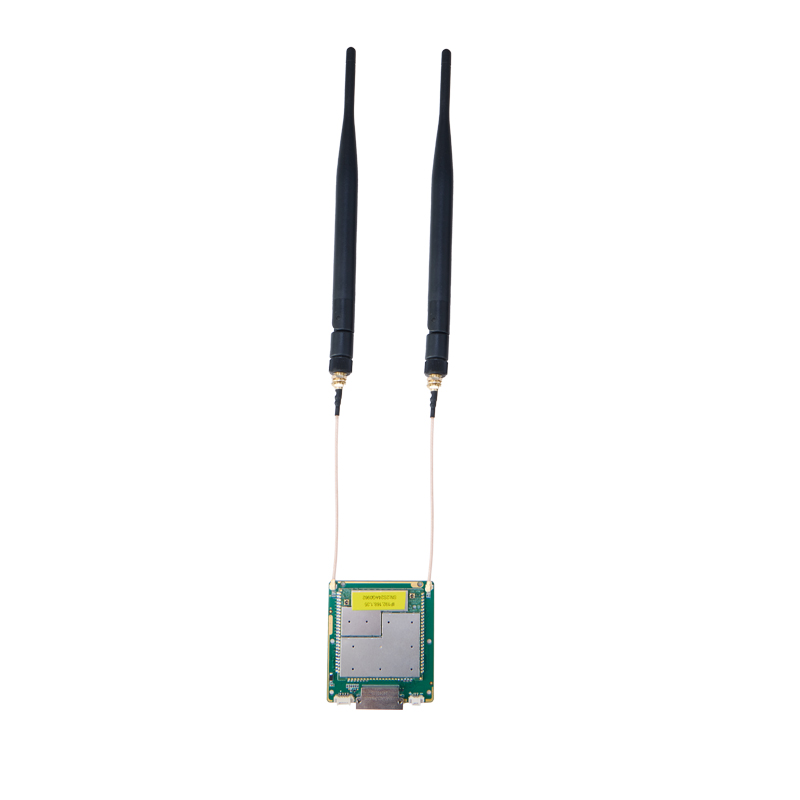
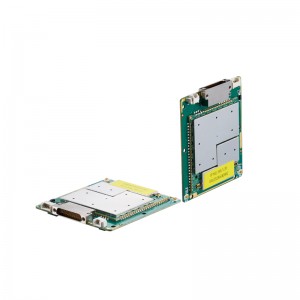
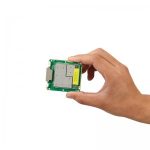
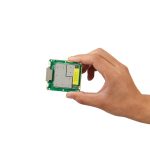
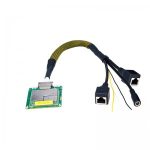
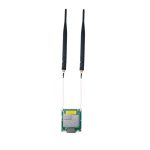
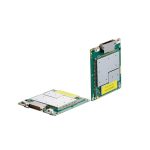
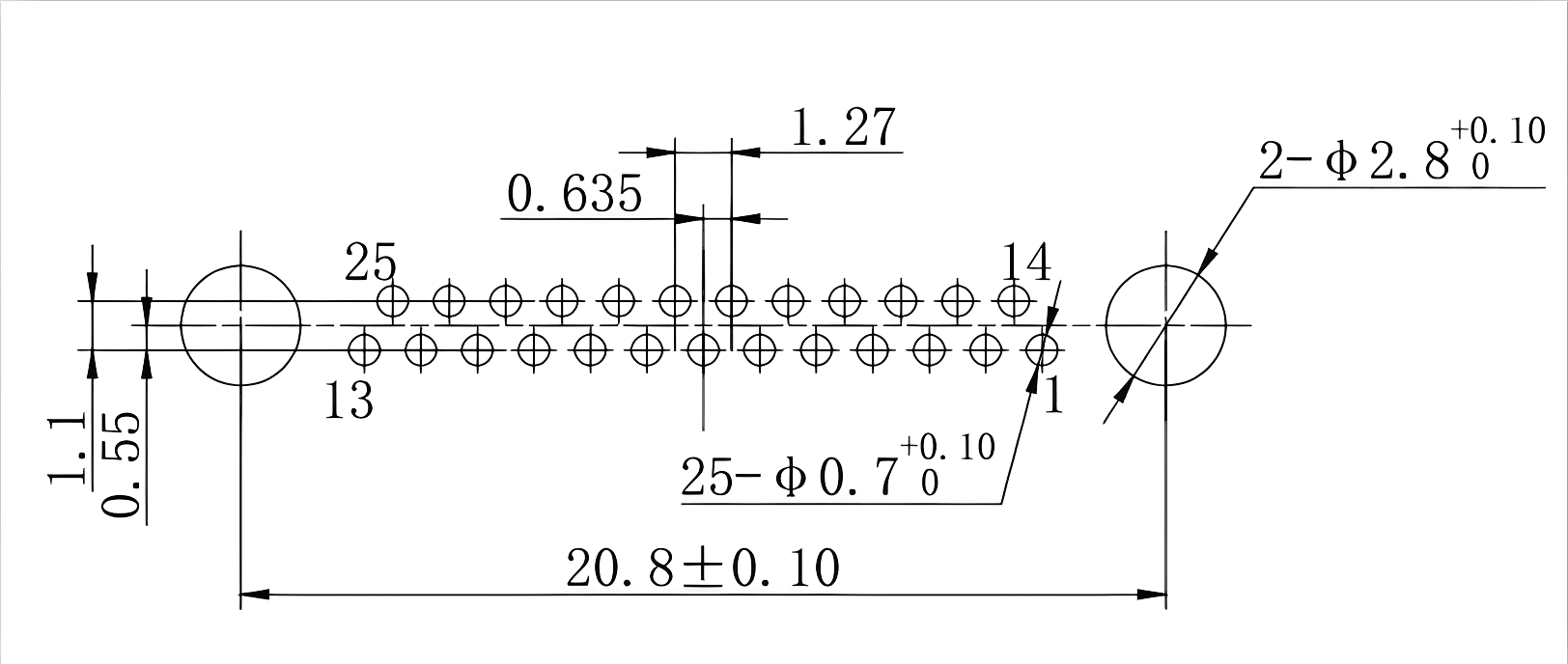
Compact & Lightweight Design for Seamless Integration 1. Dimensions: 60 x 55 x 5.7 mm 2. Weight: Just 26 grams 3. Space-Saving RF Port: Features an IPX connector instead of a bulkier SMA interface 4. Streamlined Connectivity: Uses low-profile J30JZ connectors to fit into tight spaces — Interface Definition
| J30JZ Definition: | |||||||
| Pin | Name | Pin | Name | Pin | Name | Pin | Name |
| 1 | TX0+ | 11 | D- | 21 | UART0_RX | 24 | GND |
| 2 | TX0- | 12 | GND | 22 | BOOT | 25 | DC VIN |
| 3 | GND | 13 | DC VIN | 23 | VBAT | ||
| 4 | TX4- | 14 | RX0+ | PH1.25 4PIN Definition: | |||
| 5 | TX4+ | 15 | RX0- | Pin | Name | Pin | Name |
| 6 | RX4- | 16 | RS232_TX | 1 | RX3- | 3 | TX3- |
| 7 | RX4+ | 17 | RS232_RX | 2 | RX3+ | 4 | TX3+ |
| 8 | GND | 18 | COM_TX | ||||
| 9 | VBUS | 19 | COM_RX | ||||
| 10 | D+ | 20 | UART0_TX | ||||
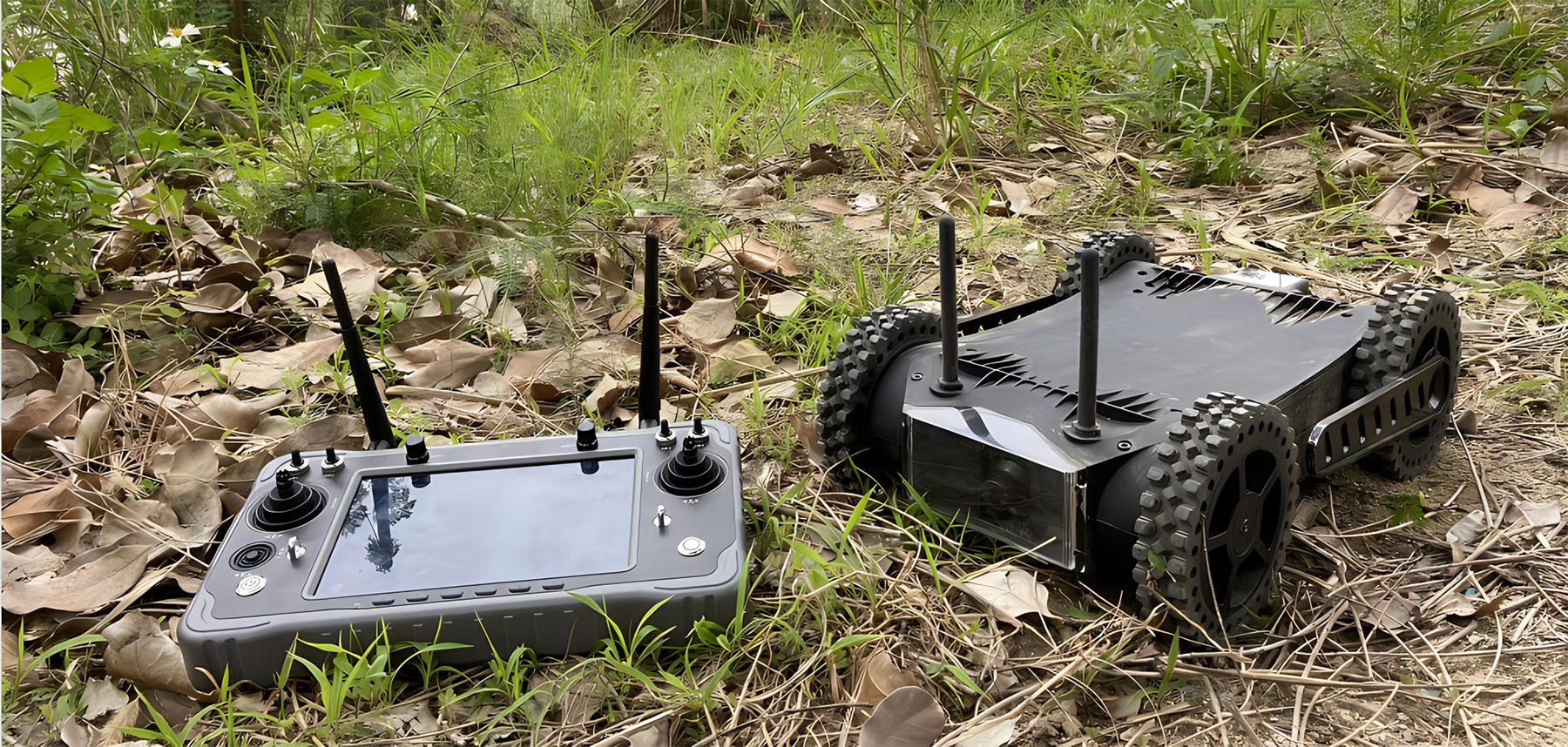
Advanced Wireless Video & Data Links for Robotic Systems
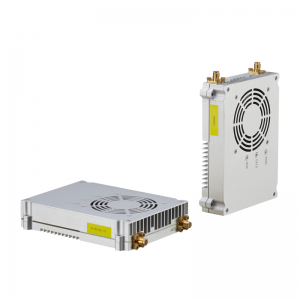
The MOPFD-61MN delivers high-definition video and IP-based data communication for drones, UAVs, UGVs, and USVs operating in defense and security environments. Designed for seamless integration, it is available in an OEM bare-board format, making it easy to embed into a wide range of robotic platforms.
Key features include:
- Real-time telemetry and control via IP address and port for precise multi-robot coordination
- Support for high-mobility tactical units in the field
- Extended operational range with optional booster amplifiers
Ideal for modern, connected robotic fleets requiring reliable, high-performance communication.
| GENERAL | ||
| Technology | MESH base on TD-LTE Wireless technology standard | |
| Encryption | ZUC/SNOW3G/AES(128/256) OptionalLayer-2 | |
| Data Rate | 30Mbps(Uplink and Downlink) | |
| Adaptive average distribution of system rate | ||
| Support users to set speed limit | ||
| Range | 10km(Air to ground) 500m-3km(NLOS Ground to ground) |
|
| Capacity | 8nodes | |
| Bandwidth | 1.4MHz/3MHz/5MHz/10MHz/20MHz | |
| Power | 25dBm±2 (2w or 10w on request) | |
| Modulation | QPSK, 16QAM, 64QAM | |
| Anti-Jamming | Automatically Cross-Band frequency hopping | |
| Power Consumption | Average: 4-4.5Watts Max: 8Watts |
|
| Power Input | DC5V-32V | |
| Receiver Sensitivity | Sensitivity(BLER≤3%) | ||||
| 2.4GHZ | 20MHZ | -99dBm | 1.4Ghz | 10MHz | -91dBm(10Mbps) |
| 10MHZ | -103dBm | 10MHz | -96dBm(5Mbps) | ||
| 5MHZ | -104dBm | 5MHz | -82dBm(10Mbps) | ||
| 3MHZ | -106dBm | 5MHz | -91dBm(5Mbps) | ||
| 1.4GHZ | 20MHZ | -100dBm | 3MHz | -86dBm(5Mbps) | |
| 10MHZ | -103dBm | 3MHz | -97dBm(2Mbps) | ||
| 5MHZ | -104dBm | 2MHz | -84dBm(2Mbps) | ||
| 3MHZ | -106dBm | 800Mhz | 10MHz | -91dBm(10Mbps) | |
| 800MHZ | 20MHZ | -100dBm | 10MHz | -97dBm(5Mbps) | |
| 10MHZ | -103dBm | 5MHz | -84dBm(10Mbps) | ||
| 5MHZ | -104dBm | 5MHz | -94dBm(5Mbps) | ||
| 3MHZ | -106dBm | 3MHz | -87dBm(5Mbps) | ||
| 3MHz | -98dBm(2Mbps) | ||||
| 2MHz | -84dBm(2Mbps) | ||||
| FREQUENCY BAND | |||||||
| 1.4Ghz | 1427.9-1447.9MHz | ||||||
| 800Mhz | 806-826MHz | ||||||
| 2.4Ghz | 2401.5-2481.5 MHz | ||||||
| WIRELESS | |||||||
| Communication Mode | Unicast, multicast, broadcast | ||||||
| Transmission Mode | Full Duplex | ||||||
| Networking Mode | Self-healing | Self-adaptation, self-organization, self-configuration, self-maintenance | |||||
| Dynamic Routing | Automatically updat routes based on real-time link conditions | ||||||
| Network Control | State Monitoring | Connection status /rsrp/ snr/distance/ uplink and downlink throughput | |||||
| System Management | WATCHDOG: all system-level exceptions can be identified, automatic reset | ||||||
| Re-transmission | L1 | Determine whether to retransmit based on the different data being carried. (AM/UM); HARQ retransmits | |||||
| L2 | HARQ retransmits | ||||||
| INTERFACES | ||
| RF | 2 x IPX | |
| Ethernet | 3xEthernet | |
| Serial Port | 3x SERIAL PORT | |
| Power Input | 2*Power Input(alternative) | |
| MECHANICAL | ||
| Temperature | -40℃~+80℃ | |
| Weight | 26grams | |
| Dimension | 60*55*5.7mm | |
| Stability | MTBF≥10000hr | |
Enhanced Serial Port Capabilities for Advanced Data Connectivity
- High-Speed Data Transfer
Achieve seamless communication with baud rates up to 460,800, ensuring rapid and reliable data transmission. - Versatile Serial Port Modes
Choose from multiple operational modes to fit your needs, including:- TCP Server & TCP Client
- UDP & UDP Multicast
- Transparent Transmission
- IoT-Ready Protocol Support
Built-in compatibility with MQTT, Modbus, and other essential protocols enables effortless integration into IoT networks. - Precision Remote Control
Move beyond basic broadcasting—directly send targeted commands to specific nodes (such as drones, robotic systems, or other unmanned devices) from a remote controller, ensuring accurate and secure control.
Made clearer and more engaging by:
- Using active voice and stronger verbs
- Breaking down technical details into scannable points
- Highlighting practical benefits (e.g., “precision control” instead of just listing features)
- Improving flow from feature to real-world application
| CONTROL DATA TRANSMISSION | |||||
| Command Interface | AT command configuration | Support VCOM port/UART and other ports for AT command configuration | |||
| Configuration | Support configuration via WEBUI, API, and software | ||||
| Working Mode | TCP server mode TCP client mode UDP mode UDP multicast MQTT Modbus |
●When set as a TCP server, the serial port server waits for computer connection. ●When set as a TCP client, the serial port server actively initiates a connection to the network server specified by the destination IP. ●TCP server, TCP client, UDP, UDP multicast, TCP server/client coexistence, MQTT |
|||
| Baud Rate | 1200, 2400, 4800, 7200, 9600, 14400, 19200, 28800, 38400, 57600, 76800, 115200, 230400, 460800 | ||||
| Transmission Mode | Pass-through mode | ||||
| Protocol | ETHERNET, IP, TCP, UDP, HTTP, ARP, ICMP, DHCP, DNS, MQTT, Modbus TCP, DLT/645 | ||||