Understanding the RF Power Splitter: A Key Component for Modern Communications
nn
In the world of wireless communications, the integrity and distribution of radio frequency (RF) signals are paramount. Whether you are managing a large-scale cellular network, a public safety system, or an in-building coverage solution, every component must perform flawlessly. One such critical device is the RF power splitter. This passive component takes a single input signal and divides it into multiple output signals with minimal loss. Understanding the technical specifications of a high-quality RF power splitter is essential for system integrators and engineers. This article explores a versatile power splitter designed for the demanding 698-2700MHz frequency range, examining its performance metrics and construction.
nn
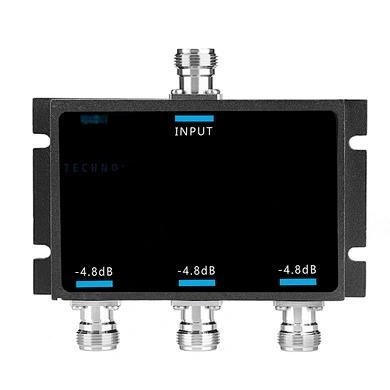
The device in question supports multiple output configurations, offering flexibility for various network topologies. You can choose from 2, 3, 4, 6, or 8-way splits. This adaptability allows designers to match the splitter perfectly to the number of antennas or feeder lines required. With the focus on signal integrity, the specifications reveal a very low Voltage Standing Wave Ratio (VSWR) of ≤1.25:1. This low VSWR indicates excellent impedance matching, which minimizes signal reflections back towards the source. Less reflection means more power is delivered to the outputs, directly improving system efficiency.
nn
Performance Specifications of an RF Power Splitter
nn
When selecting an RF power splitter, several core parameters define its performance. The insertion loss is a key factor. For this device, the maximum insertion loss remains consistently low at ≤0.4 dB across all split configurations. This is an excellent figure, ensuring that the signal suffers minimal attenuation as it is divided. Furthermore, the isolation between output ports is ≥20 dB. High isolation prevents signals from one output from leaking into another, which is crucial for maintaining system stability and preventing interference. These specifications confirm that the splitter preserves signal quality, making it a reliable backbone component.
nn
Power handling is another critical aspect. This RF power splitter can handle an average power of 50 watts, suitable for a wide range of base station and distributed antenna system (DAS) applications. The characteristic impedance is 50 ohms, the standard for virtually all RF telecommunications equipment. This ensures seamless integration with coaxial cables, connectors, and other RF components. The operating temperature range of -35°C to +65°C guarantees reliable performance in diverse environmental conditions, from cold outdoor installations to warmer interior equipment rooms.
nn
Mechanical and Physical Characteristics
nn
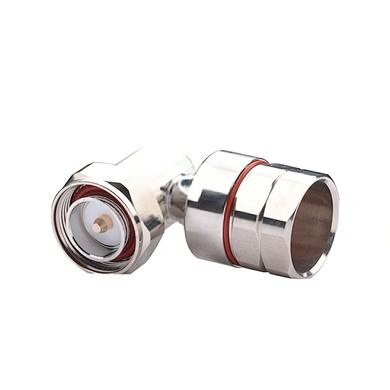
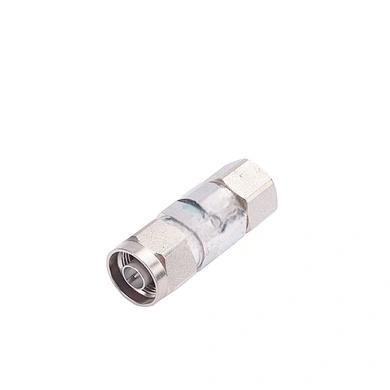
The construction and finish of an RF power splitter are vital for durability and performance. This splitter is designed for both indoor and outdoor use. Its housing features a black plated finish, which provides robust protection against corrosion and physical wear. This finish is typical for equipment that must withstand the elements in outdoor cabinets or on rooftops. The choice of connector is also flexible, offering options for DIN, 4.3-10, or N-Female types. These industry-standard connectors provide secure, weatherproof connections with excellent RF performance up to the upper frequency limit.
nn
To give you a clear, structured overview of all key attributes, here is the complete data sheet for this versatile RF power splitter.
nn
| Parameter | Value |
|---|---|
| Frequency Range (Micro strip) | 698 – 2700 MHz |
| Split Ways (Available) | 2, 3, 4, 6, 8 |
| Voltage Standing Wave Ratio (VSWR) | ≤ 1.25:1 |
| Insertion Loss (dB) | ≤ 0.4 (for all split configurations) |
| Isolation (dB) | ≥ 20 dB |
| Average Power Handling (W) | 50 W |
| Impedance (Ω) | 50 Ω |
| Connector Types (Available) | DIN, 4.3-10, or N-Female |
| Operating Temperature (°C) | -35°C to +65°C |
| Application Environment | Indoor or Outdoor |
| Finish | Black Plated |
nn
Conclusion: The Value of a High-Quality RF Power Splitter
nn
Investing in a robust and precisely engineered RF power splitter is a strategic decision for any network deployment. The specifications detailed above highlight a component that delivers low insertion loss, high isolation, and excellent VSWR across a wide frequency range. Its rugged construction and versatile connector options make it suitable for both indoor and outdoor environments. As networks evolve towards 5G and require more dense coverage, the role of distributed antenna systems and small cells grows. Reliable components like this RF power splitter become even more critical. By ensuring your signal distribution is efficient and clean, you lay the foundation for a high-performance, dependable wireless network. Download the full specification sheet to see how this component can be integrated into your next project.