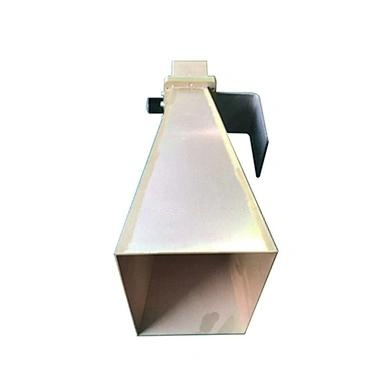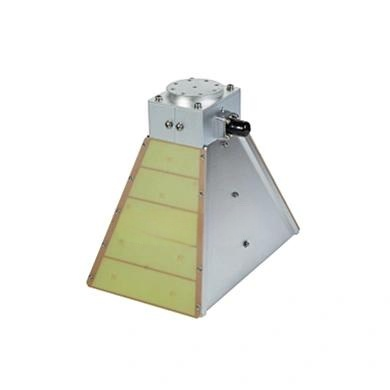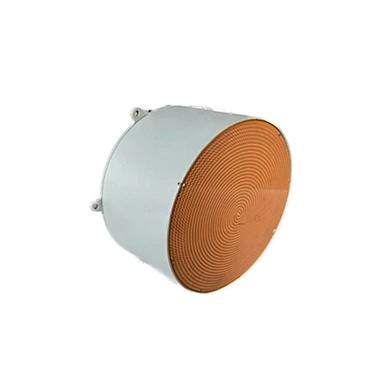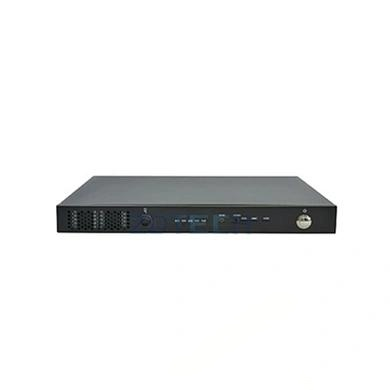
Unmatched Precision with the Next-Generation Multi-System Navigation Module
In an era where positioning accuracy directly impacts operational success, the multi-system navigation receiving module stands out as a transformative solution. This device leverages a sophisticated wideband signal processing architecture, delivering exceptional capabilities in high-precision signal acquisition and analysis. Whether you are in industrial monitoring, surveying, or vehicle navigation, this module ensures you receive reliable, high-quality data from multiple satellite constellations. Its ability to seamlessly integrate signals from BDS, GPS, and GALILEO systems means you can depend on consistent performance across diverse professional environments.
The module’s core strength lies in its ability to maintain high stability even under challenging conditions. By offering omnidirectional spatial signal coverage, it guarantees continuous and uninterrupted reception, eliminating the common pitfalls of signal dropouts or interference. This robust design is not just about raw power; it is about providing a dependable foundation for applications that require unwavering accuracy. From remote industrial sites to dense urban landscapes, this module adapts effortlessly, ensuring your navigation systems remain operational and precise.
Wideband Processing for Enhanced High Precision Reception
The integration of wideband processing technology is a game-changer for professionals who demand more from their navigation hardware. This module efficiently handles multi-band signal inputs, dynamically adapting to varying frequencies without sacrificing performance. The result is a marked improvement in high precision positioning, as the system can process broader spectrum data with lower latency. This capability reduces fluctuations under variable working conditions, offering a stable output that is critical for tasks like mapping and surveying. By consolidating multiple signal sources into a streamlined process, the module delivers an integrated solution that prioritizes both accuracy and reliability.
Moreover, the compact structure and reasonable power consumption of this device make it ideal for deployment in space-constrained or energy-sensitive projects. Its high integration level means fewer external components, simplifying installation and maintenance. Whether you are equipping a fleet of autonomous vehicles or setting up a fixed monitoring station, this module’s efficient design supports extended operations without compromising on quality. The combination of wideband processing and high stability ensures that every signal received is optimized for maximum clarity and precision.
Comprehensive Technical Specifications: High Stability and Performance
To fully appreciate the capabilities of this multi-system navigation receiving module, it is essential to examine its technical parameters. The following table outlines the key specifications, demonstrating how this hardware achieves its high stability and high precision objectives.
| Parameter | Value |
|---|---|
| Supported Signals | BDS B1 (1561.098 MHz ± 2.046 MHz), BDS B3 (1268.52 MHz ± 10.23 MHz); GPS L1 (1575.42 MHz ± 1.023 MHz); GALILEO E1 (1575.42 MHz ± 7.6725 MHz) |
| Signal Types | Pulse, Swept-Frequency, Band-Limited Gaussian White Noise, Spread-Spectrum Matched Spectral |
| Spatial Coverage (Azimuth) | 0° to 360° |
| Spatial Coverage (Elevation) | -90° to 90° |
| Volume | ≤ 140 mm × 140 mm × 32 mm (originally 142 mm × 142 mm × 35 mm) |
| Power Consumption | ≤ 12 W |
| Weight | ≤ 560 g |
These specifications highlight the module’s ability to provide high precision reception across a broad frequency range. The inclusion of multiple signal types, from pulsed to spread-spectrum, ensures compatibility with advanced navigation techniques. The efficient power usage and lightweight build further enhance its appeal for mobile or remote applications, where long battery life and portability are key.
Practical Applications for Multi-Constellation Navigation
The practical benefits of this module extend across numerous industries. In industrial monitoring, its high stability ensures constant data flow for predictive maintenance and asset tracking. Surveying and mapping professionals will appreciate the high precision positioning, which reduces error margins in critical measurements. For vehicle navigation, the module’s omnidirectional coverage means fewer dead zones, leading to safer and more efficient routing. The integrated design also simplifies integration into existing systems, reducing development time and cost.
By combining wideband broadband processing with high stability operation, this module addresses the core needs of modern navigation. It is not merely a component but a complete solution for achieving reliable, accurate signal reception. Whether you are building from the ground up or upgrading an existing platform, this hardware provides the performance foundation you need.
Conclusion: A Reliable Core for High Precision Navigation
In an increasingly connected world, the demand for high precision navigation solutions continues to grow. This multi-system navigation receiving module meets that demand head-on, offering a blend of advanced processing, robust hardware, and versatile compatibility. Its high stability design ensures long-term reliability, while the wideband capabilities unlock new levels of accuracy. From industrial settings to on-the-go applications, this module delivers consistent, trustworthy performance. By choosing this product, you invest in a technology that not only meets the current standards but is also prepared for future advancements in satellite navigation. Let this module be the foundation for your next high precision project, ensuring continuous and reliable signal reception wherever you operate.