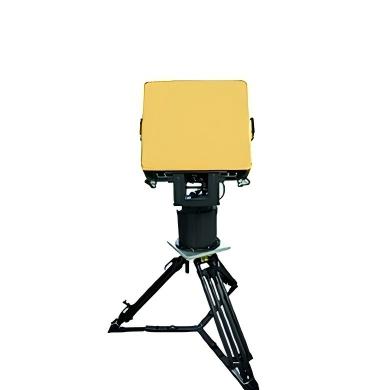
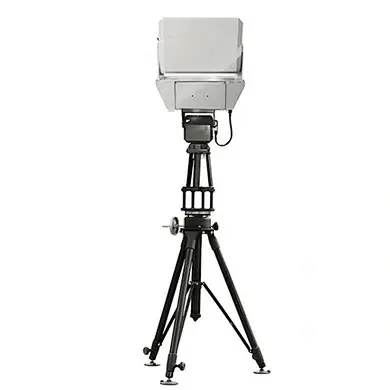
Understanding Phased Array Radar: The Future of Detection and Tracking
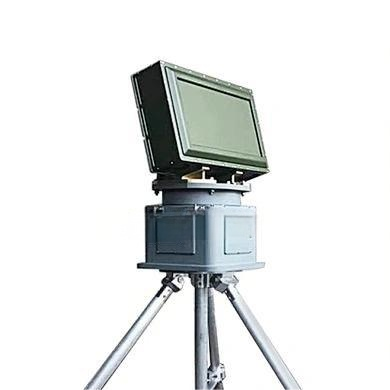
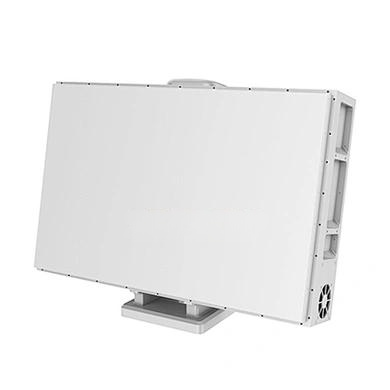
nnPhased array radar represents a revolutionary leap in radar technology, leveraging advanced electronic scanning to outperform traditional mechanical systems. Unlike conventional radars that rely on rotating antennas, phased array radar uses thousands of individually controlled radiating elements to steer beams electronically. This capability allows it to scan the entire airspace in under a minute, providing unparalleled speed and precision. By rapidly switching beams without physical movement, the system can detect, track, and engage multiple targets simultaneously, making it indispensable for modern air defense, security, and reconnaissance missions.nn
How Phased Array Radar Works: The Science Behind Electronic Scanning
nnAt its core, a phased array radar system consists of a large array of identical radiating units. Each unit is independently controlled by wave control mechanisms and phase shifters, which adjust the phase and amplitude of the signals. This precise control enables the formation of accurate and predictable radiation patterns and beam pointing. When the radar operates, the transmitter distributes power to each antenna unit through a feeder network. These units then radiate energy independently, and the waves combine in space to form a focused beam. This process, known as electronic scanning, replaces the mechanical rotation seen in traditional radars.nnTraditional radar systems achieve beam scanning by physically rotating the antenna, a method called mechanical scanning. In contrast, phased array radar uses electrical methods to control beam direction. Instead of rotating the entire antenna, it employs phase shifters to alter the electromagnetic wave path, effectively rotating the beam without moving parts. This innovation allows the radar to change beam direction instantly, enabling fast scanning and simultaneous tracking of multiple targets. By integrating with computers, phased array radar can effectively discover, explore, and track targets across various directions and altitudes, replacing the work of multiple specialized radars.nn
Key Capabilities of Phased Array Radar Systems
nnPhased array radar offers several distinct advantages over traditional radar technologies. One of its most notable features is beam flexibility. The system can form multiple beams at the same time and control them independently. These beams can perform different functions simultaneously, such as searching for new targets, tracking identified threats, illuminating targets for guidance, and even directing missiles. This multifunctionality reduces the need for multiple radar systems, cutting down equipment and improving overall system maneuverability. As a result, phased array radar enhances operational efficiency and effectiveness in complex environments.nn
Phased Array Radar Specifications and Performance Parameters
nnTo fully appreciate the capabilities of phased array radar, it is essential to examine its technical specifications. The following table outlines key parameters that define its performance and adaptability.nn
| Parameter | Value |
|---|---|
| Working System/Mode | Phased array system (Azimuth phased sweep) |
| Working Frequency | C/X/Ku/K/Ka/V/S band |
| Detection Range | 5 km (DJI Phantom 3/4 RCS≈0.01 m²) |
| Minimum Detection Range | ≤100 m |
| Azimuth Coverage | 0° to 360° |
| Elevation Coverage | 0° to 40° |
| Distance Accuracy | ≤10 m |
| Azimuth Accuracy | ≤1.0° |
| Elevation Accuracy | ≤1.0° |
| Data Rate | Searching: ≤2 s |
| Power Consumption | ≤250 W |
| Power Supply | AC220V–AC240V |
| Interface | RJ45 (UDP protocol) |
| Working Temperature | −40 °C to +55 °C |
| Storage Temperature | −40 °C to +65 °C |
| Working Environment | Rain-proof, dust prevention, sand prevention, moisture-proof, mould-proof, salt-proof |
nn
Conclusion: The Strategic Value of Phased Array Radar
nnIn summary, phased array radar stands out as an ideal choice for modern defense and security applications. Its ability to scan quickly, track multiple targets simultaneously, and adapt to various environments makes it superior to traditional radars. The system’s advanced technical indicators, such as wide frequency coverage, high accuracy, and robust environmental resistance, further cement its role as a critical asset. As threats become more complex, the flexibility and reliability of phased array radar ensure that it remains a cornerstone of air defense, surveillance, and reconnaissance operations. By replacing multiple specialized radars with one multifunctional system, it not only improves efficiency but also enhances operational agility, making it an invaluable tool in today’s rapidly evolving security landscape.