Maximizing Signal Integrity with the MOP-DL-3GHz-xxW Series Dummy Load
nnIn the world of RF and microwave communications, maintaining signal purity and preventing reflections is critical for both equipment longevity and system performance. The dummy load is an indispensable tool for testing transmitters, amplifiers, and other high-frequency components without radiating energy into the environment. The MOP-DL-3GHz-xxW-NM series represents a robust solution designed to handle a wide range of power levels while ensuring low intermodulation distortion and stable impedance matching.nnA high-quality dummy load must provide excellent VSWR (Voltage Standing Wave Ratio) performance across its operating bandwidth. With a VSWR rating of ≤1.2:1 from DC to 3 GHz, this series minimizes signal reflections, protecting sensitive transmitter circuitry during testing and burn-in procedures. This ensures that your measurements are accurate and that your equipment remains safe from damage caused by high standing wave ratios.nn
Key Specifications and Performance Characteristics
nnThe MOP-DL-3GHz-xxW series is engineered for reliability in demanding environments. Below are the detailed technical parameters that define its capabilities. All specifications are measured under standard test conditions unless otherwise noted.nn
| Parameter | Value / Range |
|---|---|
| Model Number | MOP-DL-3GHz-xxW-NM (NF/MM/DM/DF) |
| Power Handling | 2W, 5W, 25W, 50W, 100W, 200W |
| Frequency Range | DC – 3 GHz |
| Impedance | 50 Ω |
| VSWR | ≤ 1.2:1 |
| PIM3 (dBc) | ≤ -120 @ 2×33 dBm |
| PIM3 (dBc) (High Power) | ≤ -105 @ 2×43 dBm |
| PIM5 (dBc) | ≤ -145 @ 2×33 dBm |
| PIM5 (dBc) (High Power) | ≤ -120 @ 2×43 dBm |
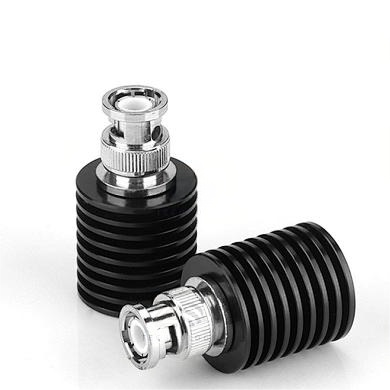
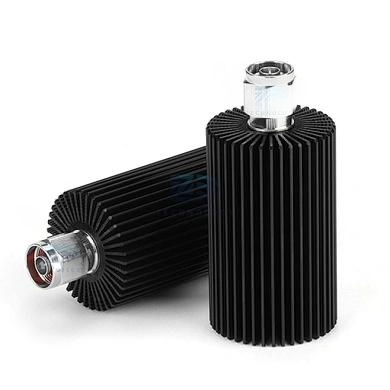
| Connector Options | N-Male, N-Female, DIN-Male, DIN-Female, BNC-Male, PL259-Male, Other |
| Operating Temperature | -20 °C to +55 °C |
| Humidity | ≤ 95% |
nn
Understanding Power Handling and Intermodulation Distortion
nnSelecting the correct power rating for your dummy load is essential. The series offers models from 2W to 200W, accommodating both low-power bench testing and higher-power transmitter evaluations. The table above provides the full range; for applications requiring 25W or more, careful thermal management is recommended to ensure prolonged operation without performance degradation.nnPassive Intermodulation (PIM) is a critical specification for modern communication systems, especially in multi-carrier environments. The low PIM3 and PIM5 values—≤ -120 dBc and ≤ -145 dBc respectively at lower drive levels—ensure minimal signal distortion. At higher power levels (2×43 dBm), PIM3 remains at ≤ -105 dBc, while PIM5 is ≤ -120 dBc, maintaining signal purity even under stress.nn
Connector Versatility and Environmental Robustness
nnThe MOP-DL-3GHz-xxW series supports a wide array of connector types, including N-Type, DIN, BNC, and PL259, with both male and female options. This flexibility allows seamless integration into existing test setups without requiring additional adapters, which can introduce unwanted losses or reflections. The operating temperature range from -20°C to +55°C and humidity tolerance up to 95% make this dummy load suitable for both indoor lab environments and field deployments where conditions are less controlled.nn
Practical Applications and Best Practices
nnWhen integrating the MOP-DL-3GHz-xxW dummy load into your test system, always ensure that the connector type matches your equipment to avoid damaging threads or center pins. For high-power models (100W and above), use a suitable heat sink or forced air cooling if continuous operation is anticipated. The low VSWR ensures that most of the power is dissipated as heat rather than reflected, but proper thermal dissipation remains vital.nn
Conclusion: Why This Dummy Load Excels
nnThe MOP-DL-3GHz-xxW series dummy load combines broad frequency coverage, low VSWR, and exceptional PIM performance in a rugged package. Whether you are testing a 2W portable radio or a 200W base station amplifier, this series provides consistent, reliable termination. By adhering to the specifications outlined above—particularly the connector selection and environmental limits—you can achieve accurate test results and protect your valuable RF equipment. Invest in a quality dummy load to ensure your measurements reflect true system performance, not artifacts of impedance mismatches or distortion products.