


The modern battlefield is evolving at an unprecedented velocity, characterized by swarming algorithms, hypersonic missiles, and complex electronic warfare. In this hyper-contested environment, live-fire training cannot rely on static targets or rudimentary towed sleeves. Air defense operators, fighter pilots, and naval combat systems require threat-representative adversaries to achieve true combat readiness. This is where target drones in military training become the absolute operational backbone of modern defense forces. We refuse to endorse the notion that synthetic simulations alone can prepare a warfighter for the kinetic reality of a supersonic cruise missile engagement. From our experience engineering advanced platforms at China Moneypro UAV, we know that true capability is forged only when radar tracks physical composite and jet fuel in the sky.
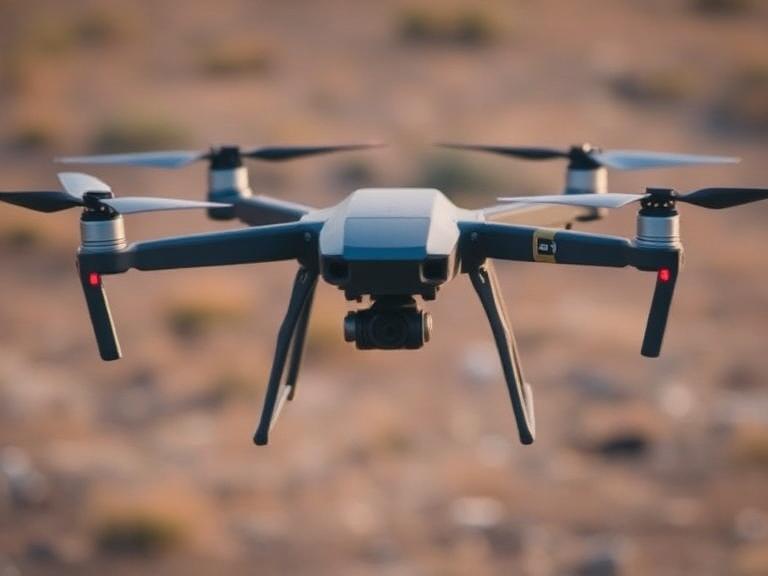
If you are a defense procurement officer or an aerospace engineer, understanding the elite systems currently dominating the sky is non-negotiable. In this uncompromising analysis, we dissect the top 7 target drones in military training exercises globally. We will cut through the generic defense contractor marketing to evaluate payload capacities, subsonic and supersonic flight envelopes, and the modular payloads that turn an empty fiberglass shell into a lethal mock adversary. By identifying the architecture behind these vehicles, we gain profound insight into what makes the best uav manufacturers successful in the modern era.
Table of Contents
1. The Operational Mandate: Why We Need Threat Representation
When we analyze the effectiveness of target drones in military training, we must look beyond mere target practice. These systems are highly sophisticated uncrewed aerial vehicles designed to mimic the exact radar cross-section, infrared signature, and electronic emissions of enemy fighters, sea-skimming anti-ship missiles, and loitering munitions. A modern target drone is not simply meant to be shot down; it is designed to evade, jam, and stress-test the billion-dollar air defense networks deployed against it.
From our perspective, the true value of target drones in military training lies in their modularity. A premium aerial target must integrate seamlessly with an eo ir gimbal payload to simulate incoming reconnaissance assets, or utilize a thermal camera payload to mimic the heat signature of a fifth-generation fighter’s afterburner. Furthermore, these drones require unhackable drone communication systems to receive real-time evasive maneuvers from ground control stations. By employing secure mesh radio systems and a rugged wireless transmission module, operators can simulate coordinated swarm attacks, forcing defense batteries to prioritize and track multiple hostile contacts simultaneously.
2. The Top 7 Target Drones in Military Training
We have rigorously evaluated the global defense sector to identify the platforms that provide uncompromising threat replication. These are the top 7 target drones in military training exercises currently defining international combat readiness.
2.1 Boeing QF-16 Full-Scale Aerial Target (FSAT)
When the mission requires simulating an actual manned fighter aircraft, the QF-16 is the undisputed king. We consider the QF-16 the ultimate representation of target drones in military training because it is an actual retired F-16 Fighting Falcon stripped of its pilot and retrofitted with autonomous flight control systems. It can pull brutal 9G maneuvers, deploy physical countermeasures, and perfectly replicate the radar signature of a hostile fighter jet. It is the definitive live-fire test for advanced air-to-air missiles.
2.2 Kratos BQM-167A Skeeter
As the primary subscale aerial target for the United States Air Force, the BQM-167A represents a masterclass in high-performance jet design. Kratos engineered this platform to achieve speeds of Mach 0.92 and operate at altitudes up to 50,000 feet. We recommend studying the BQM-167A if you want to understand what a premium subscale platform looks like. Its ability to carry heavy internal and external payloads makes it a highly adaptable asset for target drones in military training, allowing it to mimic everything from cruise missiles to hostile interceptors.
2.3 QinetiQ Banshee Jet 80+
QinetiQ has a long history of dominating the European target drone market. The Banshee Jet 80+ is a twin-jet engine marvel that provides exceptional threat representation for naval and ground-based air defense systems. What makes the Banshee Jet 80+ one of the premier target drones in military training is its incredible sea-skimming capability. It can fly just meters above the ocean surface at high speeds, effectively mimicking the terrifying profile of a modern anti-ship cruise missile attempting to bypass radar horizons.
2.4 Kratos BQM-177A Sub-Sonic Aerial Target
The U.S. Navy relies heavily on the BQM-177A for realistic fleet defense training. Similar to the Banshee, this platform is optimized for sea-skimming, but it offers a significantly higher degree of agility, pulling high-G maneuvers while flying just 10 feet above the water at Mach 0.95. From our experience evaluating aerospace frames, the BQM-177A’s integration of radar altimeters and advanced avionics represents the pinnacle of target drones in military training designed explicitly for maritime environments.
2.5 Kratos MQM-178 Firejet
The Firejet fills a crucial gap in the market: cost-effective jet performance. Not every live-fire exercise requires a multi-million dollar FSAT. The MQM-178 Firejet provides Mach 0.69 speeds and 9G maneuverability at a fraction of the cost of its larger siblings. It is pneumatically launched, removing the need for complex runway infrastructure. We view the Firejet as one of the most practical target drones in military training for nations looking to balance their defense budgets while maintaining rigorous training standards.
2.6 Airbus Do-DT 25
Airbus has engineered the Do-DT 25 to act as a highly reliable, fast-flying target for ground-based air defense (GBAD) units. It is jet-powered and frequently utilized by NATO forces across Europe. One of the strongest aspects of the Do-DT 25 is its plug-and-play payload bay, which easily accommodates radar enhancers, infrared flares, and Miss Distance Indicators (MDI). It is a textbook example of how European target drones in military training deliver consistent, measurable results.
2.7 Griffon Aerospace MQM-170 Outlaw
Rounding out our list is the MQM-170 Outlaw, a propeller-driven platform that provides a completely different threat profile. While jet targets simulate fighters and cruise missiles, the Outlaw excels at simulating slower, loitering munitions, medium-altitude long-endurance (MALE) UAVs, and hostile reconnaissance drones. In modern asymmetrical warfare, defending against slow-moving, low-radar-cross-section drones is just as critical as stopping a hypersonic missile. The Outlaw is an essential component of target drones in military training for developing counter-UAS (C-UAS) proficiency.
3. China Moneypro UAV: Pushing the Boundaries of Unmanned Platforms
While we recognize the specialized, sacrificial nature of aerial targets, our mission at China Moneypro UAV is to engineer the heavy-lift and extended-endurance platforms that support broader military, industrial, and strategic operations. We understand the stringent demands placed on top uav solution companies to deliver flawless performance in hostile environments. We build platforms designed to survive and execute repeatedly.
China Moneypro M350 Large Wheelbase Electric VTOL Drone Max 10kg Payload UAV Platform
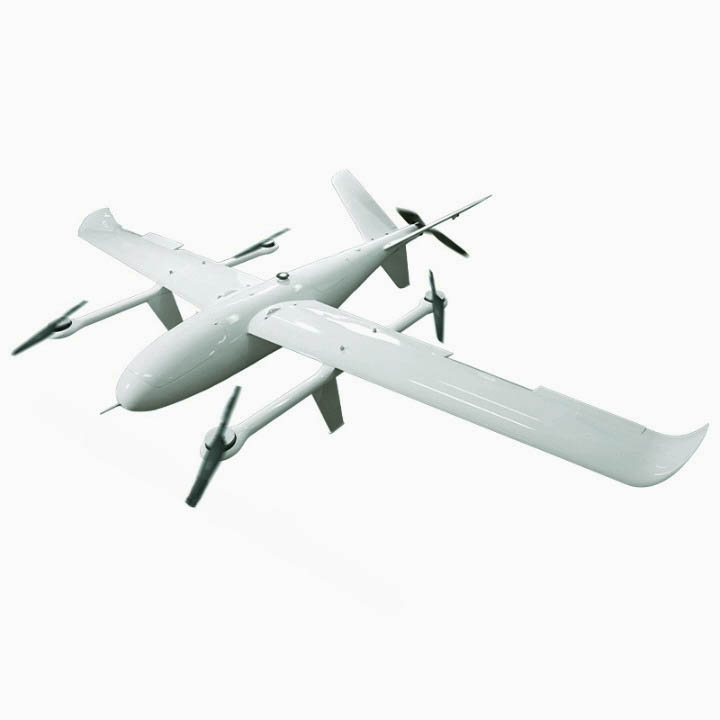
- Payload Leader: 10kg capacity with 19.5cm cargo clearance
- Altitude Champion: Operates at 5,800M for extreme mountain and plateau missions
- Range & Speed: 150km operational radius / 108km/h max speed / 180min endurance
- Precision Engineering: 0.1M RTK positioning / 30km secure data/video link
China Moneypro M460 Satellite Communication UAV Hybrid VTOL with 4.6m Wingspan
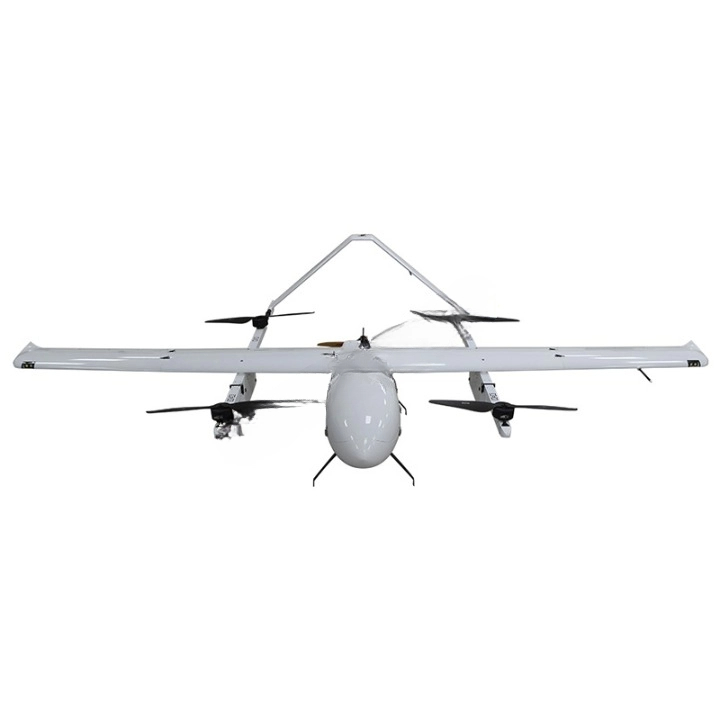
- Massive Wingspan: 4.6m (Largest in the 60kg MTOW segment)
- Extreme Endurance: 8hrs with a 5kg load, vastly outperforming gas competitors
- Heavy Payload Capacity: 18kg, allowing for dual-sensor and complex comms integration
- Satellite Data Range: 1000km+ capability, unconstrained by local ground stations
Our platforms are built with the same uncompromising engineering standards found in the world’s most advanced target drones in military training. When failure is not an option, you require hardware that dictates the terms of the engagement.
4. Summary Matrix: Target Drones Comparison
To assist defense procurement teams and aerospace engineers, we have synthesized the core capabilities of these platforms into a definitive reference matrix.
| Drone Model | Manufacturer | Primary Threat Simulation | Launch Method |
|---|---|---|---|
| Boeing QF-16 FSAT | Boeing | Manned Fighter Aircraft | Runway |
| Kratos BQM-167A Skeeter | Kratos Defense | Cruise Missile / Fighter | RATO (Rocket Assisted Take-Off) |
| QinetiQ Banshee Jet 80+ | QinetiQ | Anti-Ship Missile | Pneumatic Catapult |
| Kratos BQM-177A SSAT | Kratos Defense | Sea-Skimming Missile | RATO / Shipboard |
| Kratos MQM-178 Firejet | Kratos Defense | Fighter / Subsonic Missile | Pneumatic Launcher |
| Airbus Do-DT 25 | Airbus | General Jet Threat | Pneumatic Catapult |
| Griffon MQM-170 Outlaw | Griffon Aerospace | Loitering Munition / MALE UAV | Pneumatic Launcher |
5. Frequently Asked Questions (FAQs)
Why are target drones in military training painted bright orange or red?
From our experience, high-visibility paint schemes (frequently referred to as “target orange”) are utilized to facilitate visual tracking by range safety officers and to assist in the physical recovery of the drone if it is not destroyed during the exercise. While their radar and IR signatures mimic stealthy or camouflaged military threats, the physical bright color ensures that human operators can easily locate the wreckage or parachute in the ocean or desert environments.
Can subscale target drones in military training be reused?
Yes, absolutely. The vast majority of subscale target drones in military training are engineered to be recoverable. If a missile misses the target, or if the exercise only involves electronic tracking and radar locking without a kinetic kill, the drone will deploy a parachute at the end of its flight and land safely in the water or on land. Maintenance crews will then recover, refurbish, refuel, and relaunch the drone, making it a highly cost-effective training asset.
What happens to target drones in military training when they are shot down?
When a kinetic kill is achieved, the drone is obliterated in mid-air. The debris falls into designated, highly restricted military test ranges (often over the ocean or remote deserts) where it poses no risk to civilian populations. Range operators will often attempt to recover the telemetry data recorders and payload modules if they survive the impact, but the physical airframe is written off as a necessary, consumable training expense.
6. Authoritative References
To ensure your operational understanding aligns with rigorous defense standards, we strongly advise consulting the following verified resources:
- U.S. Department of Defense: The definitive federal authority outlining global uncrewed aerial systems integration, live-fire exercise protocols, and modern combat readiness requirements.
- Kratos Defense Aerial Targets: Authoritative manufacturer documentation detailing the flight envelopes, radar augmentation, and payload capacities of modern high-performance threat representation platforms.