Optimized Cable Support: Understanding the Parts of a Radiating/Leaky Cable Clamp Clip-In Hanger
nnIn modern wireless communication systems, radiating or leaky cables are essential for ensuring consistent signal coverage in tunnels, subways, mines, and large buildings. However, the performance of these cables heavily depends on the quality and reliability of their support hardware. The parts of radiating/leaky cable clamp clip-in hanger are often overlooked, yet they play a pivotal role in maintaining cable integrity, signal strength, and long-term installation stability. A well-engineered clip-in hanger not only secures the cable but also simplifies installation and reduces maintenance costs. This article explores the critical components of these hangers, from material choices to functional parts, helping you understand how each element contributes to a robust cable management system.nnA clip-in hanger is designed to support specific cable diameters, including 1/2″, 7/8″, 1-1/4″, and 1-5/8″. This versatility means that installers can use a single hanger design for various cable sizes, streamlining inventory and reducing complexity on job sites. The core structure of the hanger consists of a base and a clip mechanism that holds the cable securely without damaging its outer jacket. However, the true reliability of the system comes from the combination of metal and plastic components that work together to withstand environmental stress, vibration, and temperature fluctuations.nn
Key Components and Materials in Cable Hanger Systems
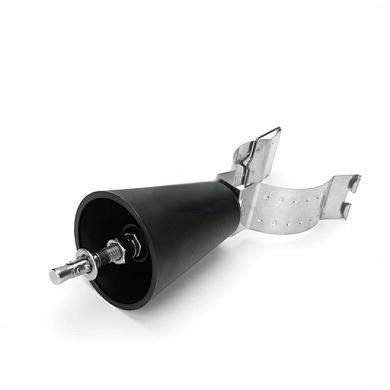
nnWhen selecting a clip-in hanger for radiating cables, understanding the materials used is crucial. The base of the hanger is typically made from SUS304 stainless steel, which offers excellent corrosion resistance and mechanical strength. This is especially important in harsh environments like tunnels or outdoor installations where moisture, chemicals, or salt can degrade lesser materials. For the clip and other non-metal parts, manufacturers often choose between PP (Polypropylene) and PA6 (Nylon 6). PP provides good chemical resistance and flexibility, while PA6 offers higher mechanical strength and thermal stability. The choice between these plastics depends on the specific application requirements, such as temperature range and load-bearing needs.nnThe base size of the hanger also matters for compatibility with mounting surfaces. Common base sizes include 50mm and 80mm, allowing the hanger to be attached to various support structures like concrete walls, steel beams, or cable trays. The base must be rigid enough to prevent deformation under load, yet it must also accommodate the mounting hardware without causing stress concentrations.nn
Metal Parts That Ensure Secure Installation
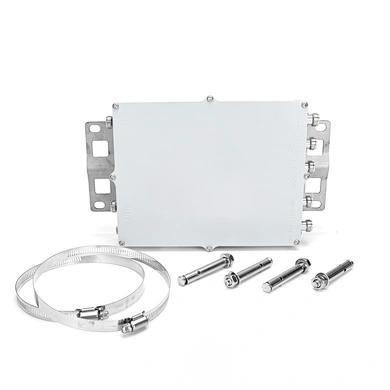
nnThe parts of radiating/leaky cable clamp clip-in hanger that involve metal components are designed to provide a secure, long-lasting attachment. These include bolts, U-bolts, stud anchors, threaded anchors, flat washers, lock washers, nuts, spring nuts, and plastic anchors. Each part has a specific role in the assembly:nn- Bolts and U-bolts: Used to fasten the hanger to the mounting surface or to clamp the cable. U-bolts are particularly useful for securing the hanger around a structural beam or pipe.n- Stud anchors and threaded anchors: Provide a solid anchor point in concrete or masonry. Stud anchors are installed by drilling a hole and setting the anchor, while threaded anchors can be used with a matching bolt.n- Flat washers and lock washers: Distribute the clamping force and prevent loosening due to vibration. Flat washers protect the surface, while lock washers add friction to resist unscrewing.n- Nuts and spring nuts: Secure the bolts in place. Spring nuts are especially helpful in channel systems where they can be slid into position before tightening.n- Plastic anchors: Used in softer materials like drywall or brick, expanding to provide a secure grip when the screw is driven in.nnThese metal parts are typically made from stainless steel or galvanized steel to resist rust and ensure long-term reliability. The combination of these components allows the hanger to be installed on a wide range of surfaces, from concrete to steel, without compromising stability.nn
How the Clip-In Mechanism Enhances Efficiency
nnThe clip-in design of these hangers offers significant advantages over traditional clamp systems. Instead of requiring tools to tighten multiple screws, the clip-in mechanism allows the cable to be pressed into the hanger, where it snaps into place. This reduces installation time and labor costs, especially in long tunnel runs where hundreds of hangers are needed. The clip provides a secure grip that holds the cable even under thermal expansion or contraction, preventing slippage and signal degradation.nnMoreover, the parts of radiating/leaky cable clamp clip-in hanger are designed for easy maintenance. If a cable needs to be replaced or relocated, the clip can be opened without removing the entire hanger assembly. This reduces downtime and simplifies future upgrades. The modular nature of these components also means that individual parts, such as a worn plastic clip or a damaged bolt, can be replaced without discarding the entire hanger.nn
Practical Considerations for Installation
nnWhen planning an installation, it is important to select a hanger that matches the cable diameter and the mounting environment. For example, in areas with high vibration, such as near heavy machinery or railway tracks, the lock washer and spring nut become critical for maintaining tightness. In outdoor installations exposed to UV radiation, UV-stabilized plastics like PA6 are recommended to prevent degradation. Additionally, the base size must be appropriate for the load: a larger base (80mm) provides more holding power for heavier cables or longer spans between supports.nnAnother consideration is the use of plastic anchors for lightweight mounting surfaces. While they offer convenience, they must be rated for the expected load and environmental conditions. For critical applications, metal anchors are generally preferred for their superior holding strength.nn
Conclusion: The Importance of Quality Components in Cable Hangers
nnThe reliability of a radiating cable system depends not only on the cable itself but also on the hardware that supports it. The parts of radiating/leaky cable clamp clip-in hanger—from the SUS304 base and plastic clips to the bolts, washers, and anchors—work together to ensure a secure, long-lasting installation. By choosing the right materials and understanding the function of each component, installers can avoid common issues like cable sag, corrosion, or loosening over time. Whether you are setting up a new tunnel communication system or upgrading an existing network, investing in a high-quality clip-in hanger with well-engineered parts will pay dividends in performance and durability. Remember to verify base sizes, material compatibility, and included hardware to match your specific application needs, ensuring that your cable system remains operational and efficient for years to come.nn
Product Specifications
n
| Parameter | Description/Value |
|---|---|
| Supported Cable Diameters | 1/2″, 7/8″, 1-1/4″, 1-5/8″ |
| Base Material | SUS304 Stainless Steel |
| Base Sizes Available | 50mm, 80mm |
| Plastic Component Materials | PP (Polypropylene), PA6 (Nylon 6) |
| Included Metal Parts | Bolt, U-bolt, Stud Anchor, Threaded Anchor, Flat Washer, Lock Washer, Nut, Spring Nut |
| Included Plastic Parts | Plastic Anchor |