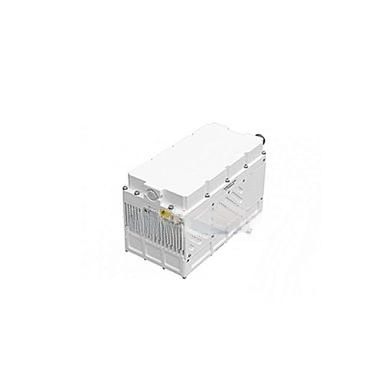
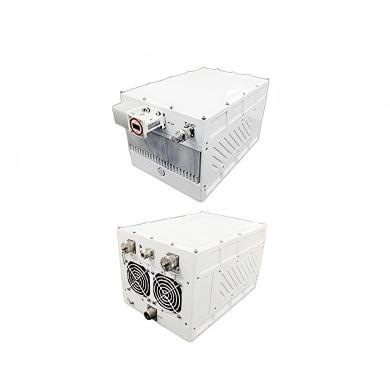
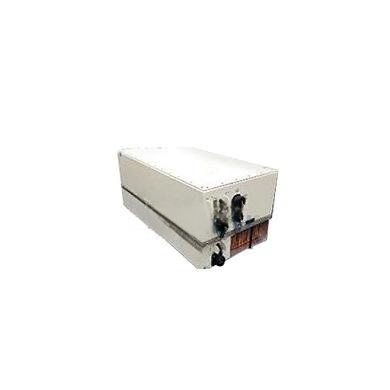
Unlocking High-Speed Potential with the Ka-Band Amplifier
nn
In the realm of modern telecommunications and radar systems, the Ka-band has emerged as a powerhouse of high-frequency performance. Spanning from 26.5 GHz to 40 GHz, this broadband range is instrumental in satellite communications, high-speed wireless networks, and advanced radar technologies. While the Ka-band offers exceptional bandwidth for rapid data transmission and supports compact antenna designs, it does face challenges such as reduced signal penetration and susceptibility to weather phenomena like rain attenuation. Nevertheless, its role in enabling high-throughput satellites and next-generation 5G/6G networks is undeniable. Our company is at the forefront of this technology, proud to introduce the 40W Ka band Amplifier (SSPA)—a state-of-the-art solid-state power amplifier designed to deliver robust performance in demanding environments.
nn
Ka Band Amplifier: Performance and Specifications
nn
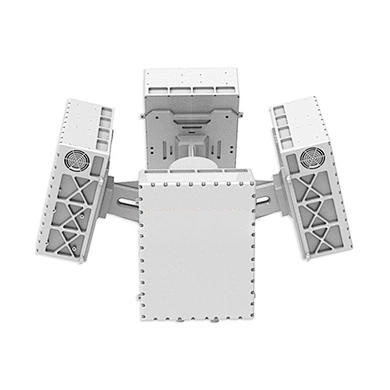
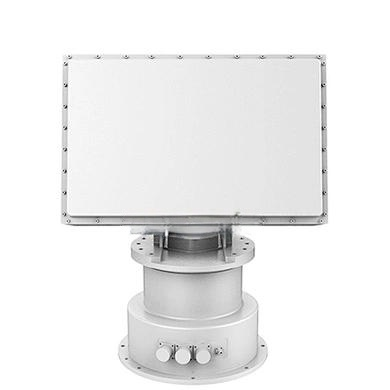
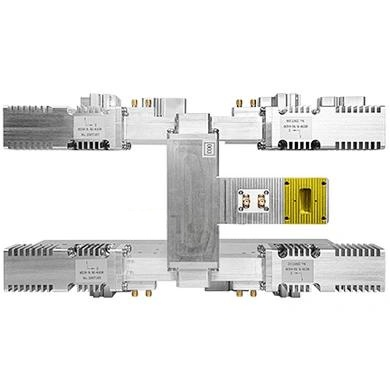
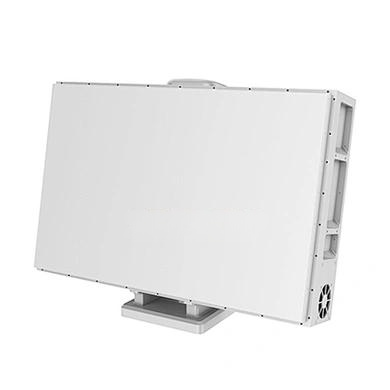
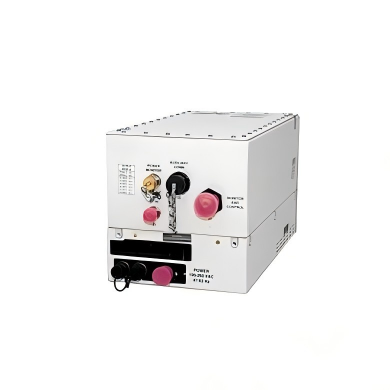
This high-performance RF component belongs to an ultra-wideband SSPA family, operating specifically within the 29-31 GHz range. It provides a saturated output power of 40 watts (46 dBm), combining exceptional linearity with superior efficiency. The low spurious amplifier design ensures output signal purity, with spurious signals attenuated by -60 dBc relative to the main signal. Gain stability is maintained within ±0.5 dB over a 24-hour period, guaranteeing reliable long-term operation. With third-order intermodulation distortion (IM3) at -25 dBc, the device exhibits excellent linearity and low phase noise, ensuring high signal clarity and stability. This Ka band Amplifier is engineered for applications where precision and reliability are paramount.
nn
Key Technical Specifications
nn
The following table outlines the critical electrical and mechanical parameters of the Ka band Amplifier, highlighting its advanced capabilities:
nn
| Parameter | Value |
|---|---|
| Output Frequency | 29-31 GHz |
| Input Frequency | S Band (Optional) |
| Rated Power | +46 dBm (40W) |
| Gain Adjustment Range | 0-25 dB (Step 0.1 dB) |
| Gain Flatness | ±0.5 dB P-P |
| Spurious Suppression | ≤ -60 dBc |
| Harmonic Suppression | ≤ -60 dBc |
| Gain Stability (24h) | ±0.5 dB |
| IM3 (Third-Order Intermodulation) | -25 dBc |
| Noise Power Density | ≤ -135 dBW/4 kHz |
| Phase Noise @ 100 Hz | ≤ -63 dBc/Hz |
| Phase Noise @ 1 kHz | ≤ -73 dBc/Hz |
| Phase Noise @ 10 kHz | ≤ -83 dBc/Hz |
| Power Supply | +220 VAC |
| Power Consumption | 350 W |
| Dimensions (L x W x H) | 260 x 180 x 110 mm |
| Weight | 4.9 kg |
| RF Connectors (Input) | N-Type |
| RF Connectors (Output) | WR28 / BJ320 |
| Communication Interface | LAN / RS485 / RS422 / RS232 (Optional) |
| Cooling Method | Forced Air Cooling |
nn
Versatile Applications and Robust Design
nn
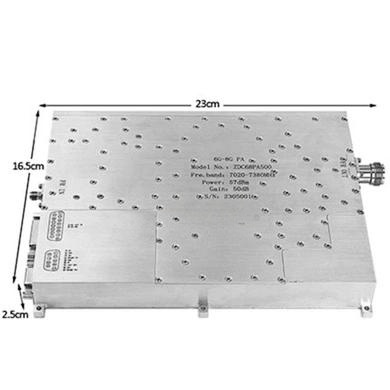
This Ka band Amplifier combines a high-frequency operating range with robust output power, precise gain adjustment, and superior signal quality, including low spurious, low harmonics, and low noise characteristics. Its compact, low-weight design—weighing just 4.9 kg—makes it ideal for integration into space-constrained systems. Versatile interface options, such as LAN, RS485, RS422, and RS232, allow seamless integration with various control and monitoring systems. Typical applications include satellite communication ground stations, radar systems, and high-frequency wireless networks, where reliable, high-power transmission is critical. The forced air cooling system ensures stable operation even under continuous high-power conditions, extending the device’s lifespan and maintaining performance consistency.
nn
Conclusion
nn
As demand for high-speed data and reliable communication grows, the Ka band Amplifier stands as a pivotal component in advancing satellite and wireless technologies. Its exceptional linearity, low phase noise, and robust power output make it an ideal choice for engineers and system integrators. Whether deployed in ground terminals, airborne platforms, or radar installations, this Ka band Amplifier delivers the performance needed to meet the rigorous requirements of modern communication systems. With ongoing developments in Ka-band applications, this amplifier is poised to play a central role in shaping the future of high-frequency connectivity.