Understanding the 698-2700MHz Combiner: A High-Performance Solution for Modern Communication Systems
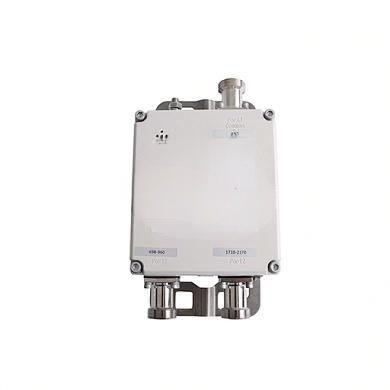
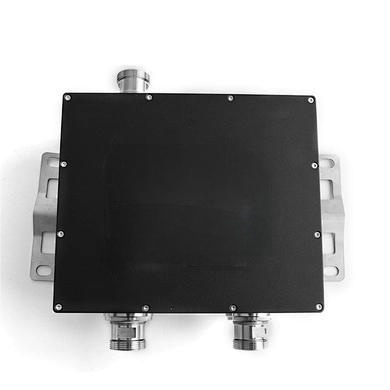
nnIn today’s rapidly evolving telecommunications landscape, the demand for reliable and efficient signal integration is paramount. The 698-2700MHz combiner stands out as a critical passive component, engineered to support mobile communication base stations and distributed antenna systems (DAS). This advanced device seamlessly merges two distinct frequency bands—the 698-960MHz low band and the 1710-2170MHz high band—into a single, streamlined output. By doing so, it optimizes signal coverage and enhances network performance, making it an indispensable tool for telecom operators and infrastructure providers. Whether deployed in urban environments or remote outdoor locations, the 698-2700MHz combiner ensures maximum signal integrity and operational stability, catering to the rigorous demands of modern communication networks.nn
Key Features and Performance Metrics of the 698-2700MHz Combiner
nnThe 698-2700MHz combiner is designed with a focus on low loss and high isolation, delivering exceptional performance across its operating spectrum. With an insertion loss of less than 0.5dB, it minimizes signal degradation, preserving the quality of transmitted data. Its high isolation specification, exceeding 50dB, prevents interference between combined signals, ensuring clear and uninterrupted communication. These attributes make it a low-loss combiner that prioritizes signal fidelity, which is crucial for applications like 4G LTE and 5G networks where even minor losses can impact user experience.nn
Robust Construction for Outdoor Environments
nnBuilt to withstand harsh conditions, this combiner features an IP67 waterproof and dustproof rating, allowing it to operate reliably in rain, dust, and extreme temperatures ranging from -40°C to +65°C. Its durable housing is complemented by advanced lightning protection, rated at 3KA for a 10/350µs pulse, safeguarding the device and connected equipment from electrical surges. Additionally, the DC/AISG by-pass function supports up to 2.5A, enabling remote monitoring and control of connected antennas without signal disruption. This robust design ensures that the 698-2700MHz combiner remains a dependable component in outdoor base stations and signal coverage projects.nn
Technical Specifications at a Glance
nnFor clarity and precision, the key electrical and mechanical specifications are summarized in the table below, demonstrating the exceptional capabilities of this 698-2700MHz combiner.nn
| Parameter | Specification |
|---|---|
| Frequency Range (Customized) | 698-960 MHz (Low Band) & 1710-2170 MHz (High Band) |
| Insertion Loss | <0.5 dB |
| VSWR | <1.4:1 |
| Isolation | >50 dB |
| Impedance | 50 Ω |
| Input Power (Average) | 200 W |
| Intermodulation | <-150 dBc |
| DC/AISG By-pass (Max) | 2.5 A |
| Lightning Protection | 3 KA; 10/350 µs pulse |
| Operating Temperature | -40°C to +65°C |
| Application Rating | Outdoor (IP67) |
| Connectors | N / DIN / 4.3-10, Female |
| Weight | 3.0 kg |
| Dimensions (One unit; without connectors and mounting brackets) | 144 x 96 x 43 mm |
nn
Applications and Benefits of the 698-2700MHz Combiner
nnThis combiner excels in a variety of deployments, from telecom base stations to in-building signal coverage systems. Its ability to handle high input power of 200W average makes it suitable for macro cells and small cells alike. The compact dimensions—144 x 96 x 43 mm—and lightweight design at just 3.0 kg facilitate easy installation in tight spaces, such as on towers or within equipment cabinets. Furthermore, the flexible connector options (N, DIN, or 4.3-10 female) allow for seamless integration with existing infrastructure. By utilizing the 698-2700MHz combiner, network operators can achieve efficient signal combining, reduce equipment costs, and enhance overall system reliability.nn
Adaptability to Complex Environments
nnWith a wide operating temperature range and IP67 protection, the 698-2700MHz combiner is optimized for outdoor use in diverse climates, from freezing cold to scorching heat. Its 3KA lightning protection ensures resilience against electrical storms, while the DC/AISG by-pass enables control signal transparency, supporting smart antenna systems. These features make it a versatile choice for both urban and rural signal coverage projects, ensuring uninterrupted service for end-users.nn
Conclusion: A Reliable Choice for Signal Integration
nnIn summary, the 698-2700MHz combiner is a high-performance, low-loss passive component that delivers exceptional combining efficiency for modern communication systems. Its superior isolation, robust environmental protection, and flexible connectivity options make it an ideal solution for mobile base stations, DAS, and outdoor coverage applications. By integrating this combiner into your network, you benefit from stable signal transmission, reduced interference, and long-lasting durability. Whether upgrading existing infrastructure or deploying new systems, the 698-2700MHz combiner stands as a trusted component for achieving optimal network performance.