Understanding the Technical Specifications of a High-Performance Radio Combiner
nnSelecting the correct radio frequency (RF) combiner is critical for maintaining signal integrity in modern wireless systems. To make an informed purchasing decision, you must first understand the three core categories that define its performance: radio specifications, environmental limits, and mechanical characteristics. This guide breaks down each parameter to help you match the device to your specific application.nn
The Role of Radio Specifications in Network Performance
nnThe radio specifications form the backbone of any combiner’s capability. They determine how efficiently signals are combined or split without degradation. For the device described, the operating frequency range of 698 to 3800 MHz covers essential cellular bands, including LTE, 5G NR, and Wi-Fi frequencies. This broad compatibility means the combiner can serve as a universal component in multi-band distributed antenna systems (DAS) or small cell deployments.nnVoltage Standing Wave Ratio (VSWR) is another critical indicator. With a rating of < 1.3, this combiner demonstrates excellent impedance matching. A low VSWR reduces reflected power, protecting transmitters and ensuring maximum forward power transfer. An insertion loss figure of < 7 dB is an expected trade-off for passive combining, while isolation of > 20 dB guarantees minimal signal leakage between ports, which is essential for preventing interference in closely spaced channels. The 50 Ohm impedance aligns with industry standard coaxial cabling, and the device can safely handle 100 Watts of average continuous power.nn| Parameter | Value |n|———–|——-|n| Frequency Range (MHz) | 698~3800 |n| VSWR | < 1.3 |n| Insertion Loss (dB) | 20 |n| Impedance (Ω) | 50 |n| Power Handling (W) | 100, Average |nn
Environmental Specifications for Reliable Operation
nnWhile the radio specifications define electrical performance, the environmental specifications ensure the device functions reliably under real-world conditions. The operating temperature range of ‑30°C to +60°C makes this combiner suitable for indoor environments. It is important to note that this temperature range is designed for controlled climates—such as equipment rooms, server closets, or sheltered indoor cabinets—rather than direct exposure to sun or freezing precipitation.nnIndoor applications require careful consideration of heat dissipation and airflow. Even though the combiner is a passive device, its power handling capability (100W average) generates some heat. Ensuring that the surrounding ambient temperature stays within the rated limits is essential for long-term reliability. This combiner is not rated for outdoor use or high-humidity environments unless additional protective enclosures are provided.nn
Mechanical Specifications for Installation and Integration
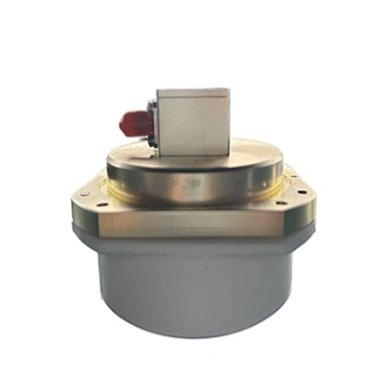
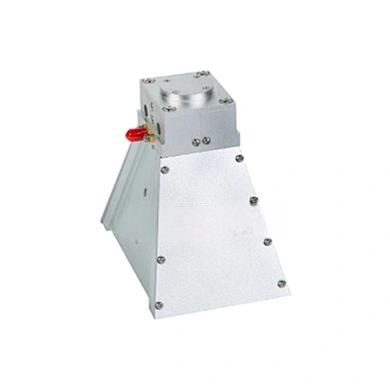
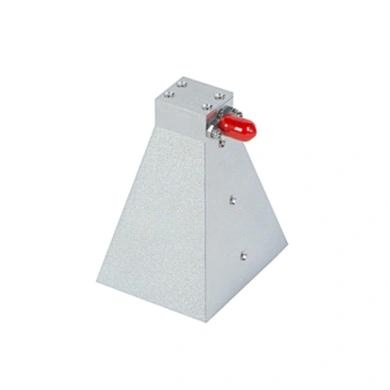
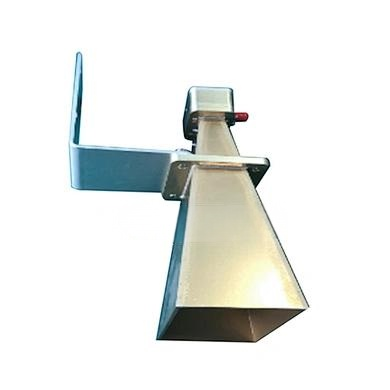
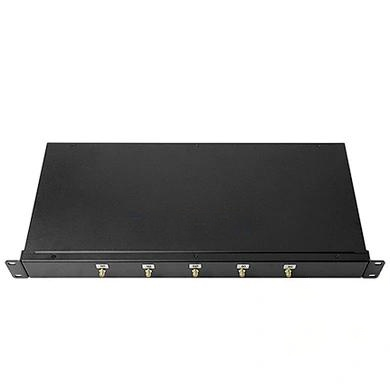
nnThe physical design of the combiner dictates ease of installation and long-term mechanical stability. The SMA connectors (SubMiniature version A) are a standard choice for low-power RF applications up to 18 GHz, offering reliable, threaded connections that resist vibration. This is particularly advantageous in installations where cables have to be frequently disconnected or routed through tight spaces.nnMounting is accomplished via holes in the device chassis. While the datasheet does not specify fastener size or pattern, the presence of mounting holes indicates the device is designed for secure attachment to a panel, wall, or equipment rack. Proper mounting not only prevents cable strain but also maintains electrical performance by keeping the device at a stable temperature and away from physical damage. The black color finish is purely cosmetic but often indicates a durable powder-coat or anodized surface that resists scratches and corrosion in indoor environments.nn
How to Choose the Right Combiner for Your Network
nnUnderstanding these technical specifications is the first step. The next is applying them to your specific scenario. If you are deploying an indoor DAS for a stadium or office building, the 698–3800 MHz range supports all current cellular signals, while the <1.3 VSWR ensures minimal interference with active transmitters. The 20 dB isolation provides sufficient separation between adjacent band combiners.nnHowever, if your application requires outdoor installation, you must verify that the environmental specifications meet the local climate. The wide temperature range is acceptable for most indoor spaces, but humidity and dust ingress ratings (IP code) are not listed, making this unit unsuitable for unprotected outdoor use.nn
Final Considerations for Network Engineers
nnIn summary, this indoor combiner offers a balanced set of radio, environmental, and mechanical specifications that make it a reliable choice for standard cellular and Wi-Fi frequency combining. When evaluating its technical specifications, pay close attention to the insertion loss versus isolation trade-off, and ensure the power handling capacity exceeds your peak transmission levels. Properly mounting the unit with the provided holes and using quality SMA jumpers will extend its lifespan. By understanding each parameter, you can confidently integrate this combiner into your network infrastructure, ensuring clean signal combing without performance bottlenecks.