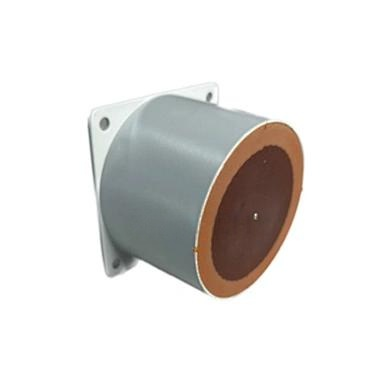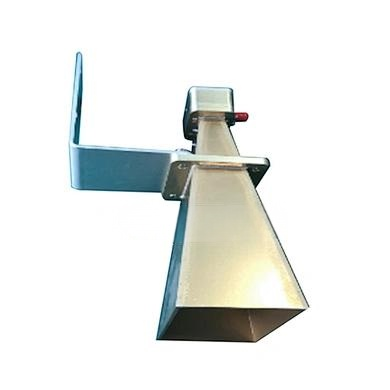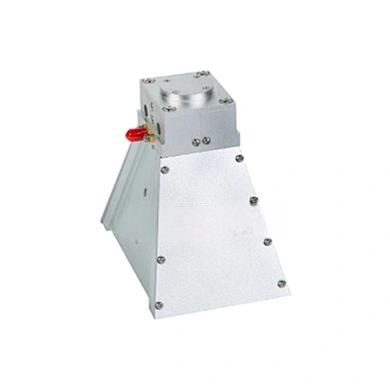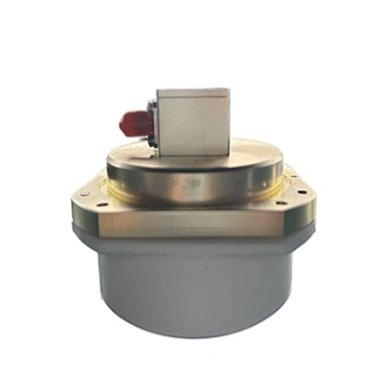
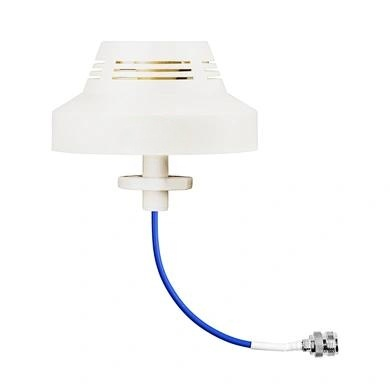
Revolutionizing Network Efficiency: The External Combiner Redefined
nnIn the fast-paced world of telecommunications, the integrity of signal transmission is paramount. As network demands grow and spectrum becomes increasingly crowded, the need for reliable, high-performance components has never been greater. The external combiner stands as a critical solution for operators seeking to merge multiple frequency bands without compromising signal quality. By effectively combining signals from various sources into a single, cohesive output, this device reduces infrastructure complexity, lowers operational costs, and enhances overall system performance. Whether deployed in dense urban environments, remote rural networks, or specialized industrial applications, the external combiner ensures that your network operates at peak efficiency.nn
Key Electrical Specifications for the External Combiner
nnUnderstanding the technical capabilities of any RF component is essential for proper system design. The following table presents the comprehensive electrical and physical specifications of this high-performance external combiner, providing all necessary data for integration and deployment.nn
| Parameter | Specification / Value |
|---|---|
| Frequency Range (MHz) | 2010–2025, 2300–2400, 2496–2690, 3400–3600 |
| Insertion Loss (dB) | < 0.8 (typical) |
| Isolation (dB) | > 50 |
| VSWR (dB) | ≤ 1.3 |
| Intermodulation Products (dBm) | ≤ -143 dBc (with 2 x 43 dBm) |
| Maximum Input Power (W) | 200 |
| Operating Temperature (°C) | -25 to +65 |
| Relative Humidity (%) | 0–95 |
| Impedance (Ω) | 50 |
| Dimensions (mm) | 164 × 104 × 32 |
| Weight (g) | < 500 |
| Connector Type | 5× N-female |
nn
Frequency Versatility and Signal Integrity
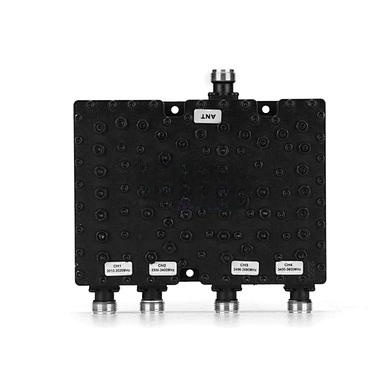
nnThe external combiner is engineered to support four distinct frequency bands—2010-2025 MHz, 2300-2400 MHz, 2496-2690 MHz, and 3400-3600 MHz—covering a wide array of modern communication standards including LTE, 5G NR, and WiMAX. This multi-band capability allows operators to consolidate multiple antennas and feed lines into a single, streamlined system. The exceptionally low insertion loss (typically less than 0.8 dB) ensures that minimal signal power is wasted during the combining process, directly translating to stronger, more reliable coverage and higher data throughput for end users.nn
Superior Isolation and Low Intermodulation
nnOne of the most critical performance metrics for any combiner is its ability to prevent signals from leaking between ports. With isolation greater than 50 dB, this external combiner effectively blocks cross-band interference, preserving the integrity of each individual signal. Equally important is the ultra-low intermodulation performance, rated at ≤ -143 dBc when tested with two +43 dBm carriers. This ensures that even under high-power conditions, the device generates minimal unwanted spurious signals. Such performance is indispensable in dense spectrum environments where intermodulation products can easily degrade overall network quality and lead to dropped calls or reduced data speeds.nn
Robust Design for Demanding Environments
nnThe physical construction of the external combiner reflects its intended use in challenging outdoor and indoor installations. The compact dimensions of 164 mm × 104 mm × 32 mm, combined with a lightweight profile of under 500 grams, facilitate easy mounting in tight spaces such as equipment cabinets, rooftop enclosures, or tower shelters. Operating reliably across a temperature range of -25°C to +65°C and withstanding up to 95% relative humidity, the device is built to endure extreme weather conditions without performance degradation. The 50 ohm impedance ensures seamless integration with standard coaxial cables and connectors used throughout the telecommunications industry.nn
High Power Handling for Modern Networks
nnSupporting a maximum input power of 200 watts per port, the external combiner is capable of handling the high transmit power levels commonly found in base station and small cell deployments. This high power rating, coupled with the use of five N-female connectors, ensures long-term durability and consistent performance even under continuous full-power operation. Whether used for macro cell coverage, distributed antenna systems (DAS), or in-building wireless solutions, this combiner provides the headroom necessary for future network expansion and capacity upgrades.nn
Conclusion: The Strategic Advantage of a High-Quality External Combiner
nnSelecting the right external combiner is a decision that directly impacts network reliability, signal quality, and operational efficiency. By combining multiple frequency bands with minimal loss and exceptional isolation, this device enables operators to maximize their existing infrastructure while preparing for next-generation technologies. Its robust construction and high power handling capabilities make it a cost-effective and future-proof investment. When network performance and spectral efficiency are non-negotiable, this external combiner delivers the consistent, high-quality results that modern communication systems demand.