Understanding RF Adapter Technical Specifications: A Comprehensive Guide
nn
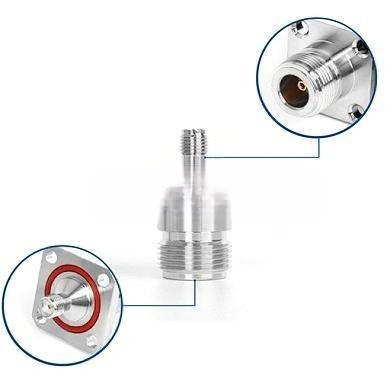
Selecting the right RF adapter is crucial for ensuring reliable signal transmission in high-frequency applications. The technical characteristics of these components dictate their performance under various environmental and electrical conditions. From impedance matching to temperature tolerance, every specification plays a vital role in system integrity. This article delves into the essential RF Adapter Technical Characteristics, helping you make informed decisions for your connectivity needs.
nn
Key Electrical and Mechanical Specifications
nn
When evaluating an RF adapter, engineers must consider both electrical parameters and mechanical durability. The table below outlines critical specifications that define performance, including operating temperature, vibration resistance, and electrical ratings.
nn
| Parameter | Specification / Value |
|---|---|
| Temperature Range (Standard) | -55°C to +155°C |
| Temperature Range (PE Cable) | -40°C to +85°C |
| Vibration Resistance | 100 m/s² (10-500 Hz), 10g |
| Impedance Options | 50 Ω, 75 Ω |
| Frequency Range | DC – 4 GHz |
| Working Voltage (at sea level) | 500 V r.m.s |
| Withstanding Voltage (at sea level) | 1500 V r.m.s |
| Contact Resistance (Center) | ≤ 1.5 mΩ |
| Contact Resistance (Outer) | ≤ 1 mΩ |
| Insulation Resistance | ≥ 5000 MΩ |
| Center Conductor Retention Force | ≥ 0.57 N |
| Voltage Standing Wave Ratio (Straight) | ≤ 1.22 @ 3 GHz |
| Voltage Standing Wave Ratio (Right Angle) | ≤ 1.30 @ 3 GHz |
| Durability (Mating Cycles) | ≤ 500 cycles |
nn
Material Composition and Plating
nn
The materials used in an RF adapter directly impact its conductivity, durability, and resistance to corrosion. Below are the material specifications for key components:
nn
| Component | Material | Plating / Treatment |
|---|---|---|
| Contact Pin | Brass | Gold or Silver |
| Body | Brass | Nickel |
| Right Angle Contact | Beryllium Copper | – |
| Insulator | PTFE (Polytetrafluoroethylene) | – |
nn
Environmental and Performance Considerations
nn
Understanding the RF Adapter Technical Characteristics helps ensure compatibility with your application. For example, the wide temperature range of -55°C to +155°C (or -40°C to +85°C for PE cables) allows use in extreme environments, from aerospace to industrial settings. Vibration resistance up to 100 m/s² (10-500 Hz) ensures stable performance under mechanical stress, while the impedance options of 50 Ω and 75 Ω cater to different system requirements—50 Ω being standard for RF and telecommunications, and 75 Ω common in broadcast and video applications.
nn
Frequency handling up to 4 GHz makes these adapters suitable for many modern communication systems, though higher-frequency applications may require specialized connectors. The voltage ratings—500 V working and 1500 V withstanding—provide a robust safety margin for power handling. Additionally, contact resistance values below 1.5 mΩ (center) and 1 mΩ (outer) minimize signal loss, and insulation resistance exceeding 5000 MΩ ensures excellent isolation between conductors.
nn
Mechanical Reliability and Signal Integrity
nn
Center conductor retention force of at least 0.57 N guarantees a secure connection even under physical strain. The Voltage Standing Wave Ratio (VSWR) specifications are critical for signal integrity: straight adapters maintain a VSWR of ≤ 1.22 at 3 GHz, while right-angle adapters achieve ≤ 1.30 at 3 GHz—slightly higher due to the bend but still within acceptable limits for most applications. With a durability rating of up to 500 mating cycles, these adapters offer reliable long-term use in test equipment, telecommunications infrastructure, and other demanding environments.
nn
Conclusion
nn
Mastering the RF Adapter Technical Characteristics is essential for optimal system performance. By carefully reviewing parameters like temperature range, impedance, frequency response, and material quality, you can select an adapter that meets your specific needs—whether for laboratory testing, broadcast systems, or industrial control. Always consult detailed datasheets and consider application-specific factors such as cable type and environmental exposure to ensure the best results. With the right knowledge, these specifications become powerful tools for building efficient, durable RF connections.