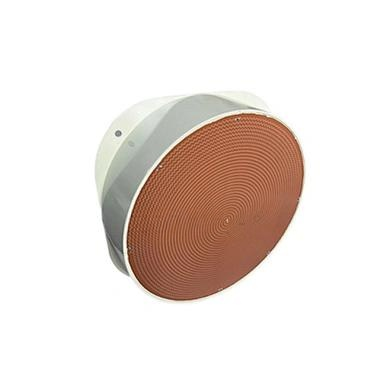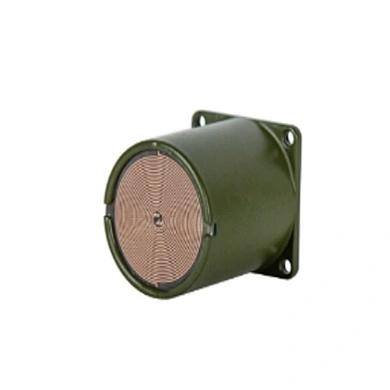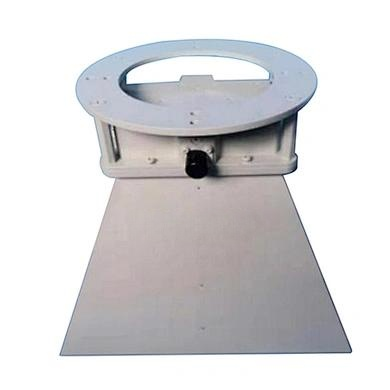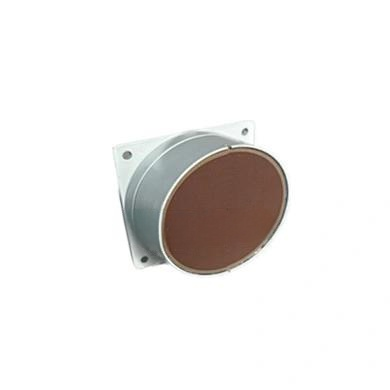
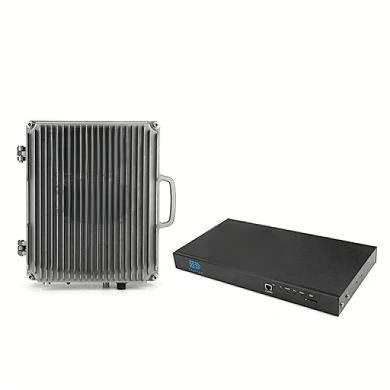
Understanding the 698–2700 MHz Broadband Combiner: Key Features and Benefits
nn
In the world of telecommunications, ensuring seamless signal integration across a wide spectrum is critical. The 698–2700 MHz broadband combiner stands out as a versatile solution for combining multiple RF signals without compromising performance. This device is engineered for high-density environments where reliability and low signal loss are paramount. Whether you are upgrading a distributed antenna system (DAS) or optimizing in-building coverage, this combiner delivers exceptional results across its entire frequency range.
nn
Why the 698–2700 MHz Broadband Combiner Excels in Modern Networks
nn
The frequency range of 698–2700 MHz covers essential bands for cellular, LTE, 5G, and Wi-Fi applications. By supporting such a broad spectrum, this combiner minimizes the need for multiple filters or separate combiners, simplifying infrastructure and reducing costs. Its low VSWR (Voltage Standing Wave Ratio) of ≤1.25 ensures minimal signal reflection, which directly translates to better power transfer and reduced interference. This makes the 698–2700 MHz broadband combiner a crucial component for maintaining signal integrity in multi-operator networks.
nn
Passive Intermodulation (PIM) is a common challenge in dense RF environments, where even slight distortions can degrade performance. With a PIM rating of ≤-150 dBc (tested at 2×+43 dBm), this combiner effectively suppresses unwanted signals, preserving the clarity of your transmissions. This low-PIM characteristic is especially important in high-power applications where multiple carriers coexist, such as base stations or tower-mounted amplifiers.
nn
Technical Specifications of the 698–2700 MHz Broadband Combiner
nn
Below are the precise technical parameters that define the performance and durability of this device. Note how each specification aligns with the demands of modern telecom infrastructure.
nn
| Parameter | Value |
|---|---|
| Frequency Range (MHz) | 698 ~ 2700 |
| VSWR | ≤ 1.25 |
| PIM (dBc) | ≤ -150 @ 2× +43 dBm |
| Impedance (Ω) | 50 |
| Power Handling (W) | 10 (Avg) |
| Connector Type | 4.3-10, Male/Female |
| Operating Temperature (°C) | -40 ~ +60 |
| Sealing | Indoor |
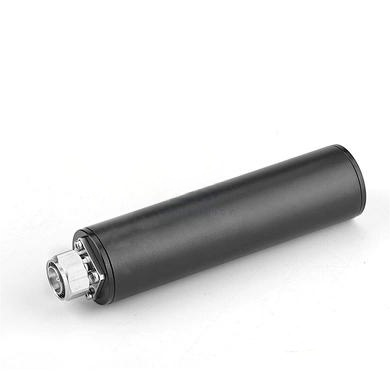
| Size (mm) | 150 × Ф40 (excluding connector & handle) |
| Weight (kg) | 0.8 |
nn
Durability and Environmental Resilience
nn
The 698–2700 MHz broadband combiner is built to withstand demanding indoor conditions. With an operating temperature range of -40°C to +60°C, it functions reliably in environments from cold storage facilities to unconditioned equipment rooms. Its indoor sealing ensures protection against dust and humidity, while the compact size—150 mm long with a 40 mm diameter—allows for easy integration into crowded rack systems. The 0.8 kg weight makes it manageable to install, even in tight spaces.
nn
Practical Applications for the 698–2700 MHz Broadband Combiner
nn
This combiner is ideal for use in base stations, small cells, and repeater systems where signal combining from different sources is required. Its 50-ohm impedance matches standard telecom equipment, ensuring compatibility with most RF cables and connectors. The 4.3-10 connector type (available in male or female variants) provides robust, low-loss connections that are widely adopted in modern installations. With a power handling capacity of 10 watts average, it is well-suited for moderate-power signal distribution without overheating or degradation.
nn
How to Optimize Your Setup with This Combiner
nn
To maximize the performance of your 698–2700 MHz broadband combiner, ensure that connectors are torqued to manufacturer specifications and that cable lengths are minimized to reduce insertion loss. Given its low PIM characteristics, pairing this combiner with high-quality cables and antennas will further enhance network efficiency. Regular testing of VSWR and PIM levels during installation helps verify that the device is operating within its specifications, thereby preventing future signal issues.
nn
Conclusion: The Smart Choice for Broadband Signal Integration
nn
The 698–2700 MHz broadband combiner offers a balanced solution for operators seeking reliability, low intermodulation, and wideband coverage. Its technical parameters—including ≤1.25 VSWR and ≤-150 dBc PIM—demonstrate a commitment to high-performance RF engineering. By choosing this combiner, you invest in a component that reduces system complexity while maintaining signal quality across the most critical communication bands. Whether for new builds or retrofits, the 698–2700 MHz broadband combiner is a proven asset for delivering consistent, interference-free connectivity in modern telecom networks.