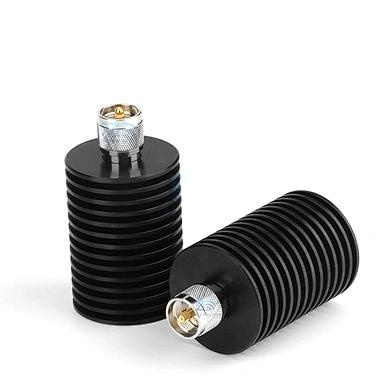
Understanding the Low PIM Load: A Critical Component for High-Performance RF Systems
nn
In the world of telecommunications and RF engineering, signal integrity is paramount. When dealing with high-power transmissions, even minor imperfections can lead to significant performance degradation. This is where the Low PIM Load comes into play. Designed to terminate RF signals with minimal reflection and distortion, these components are essential for maintaining system efficiency and preventing interference. The right Low PIM Load ensures that your network operates within strict quality standards, reducing dropped calls and data transmission errors. By managing passive intermodulation (PIM) levels, these loads protect sensitive equipment and enhance overall signal clarity. Whether you are testing a base station or optimizing a distributed antenna system, selecting a reliable Low PIM Load is a non-negotiable requirement.
nn
The Role of a Low PIM Load in Modern Networks
n
A Low PIM Load is specifically engineered to minimize the generation of unwanted intermodulation products. These products, if left unchecked, can interfere with neighboring channels and degrade network capacity. The design of such a load involves high-quality materials and precision manufacturing to ensure that even at high power levels, the VSWR remains exceptionally low. This directly translates to better signal quality and reduced heat generation. For engineers and system integrators, choosing a Low PIM Load means investing in long-term reliability and compliance with industry standards like those required by cellular carriers.
nn
Key Specifications of the MOP-DL-3GHz-xxW-NM Low PIM Load Series
n
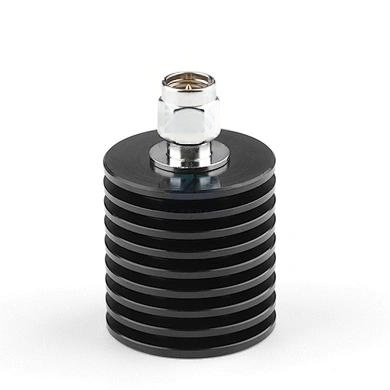
When evaluating a Low PIM Load, it is crucial to examine its technical parameters. The MOP-DL-3GHz-xxW-NM series offers a versatile solution for diverse applications. Below are the detailed specifications presented for clarity and easy reference.
nn
| Parameter | Specification / Value |
|---|---|
| Model Number | MOP-DL-3GHz-xxW-NM (NF/MM/DM/DF) |
| Power Handling | 2W, 5W, 25W, 50W, 100W, 200W |
| Frequency Range | DC – 3 GHz |
| Impedance | 50 Ω |
| VSWR | ≤ 1.2:1 |
| PIM3 (2 x +33 dBm) | ≤ -120 dBc |
| PIM3 (2 x +43 dBm) | ≤ -105 dBc |
| PIM5 (2 x +33 dBm) | ≤ -145 dBc |
| PIM5 (2 x +43 dBm) | ≤ -120 dBc |
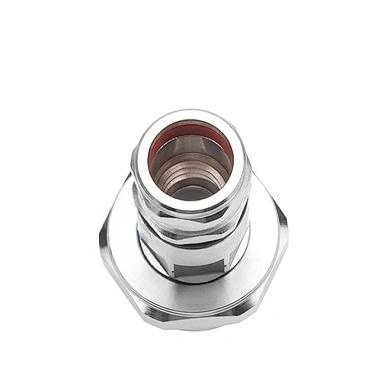
| Connector Options | N-Male, N-Female, DIN-Male, DIN-Female, BNC-Male, PL259-Male, Other types |
| Operating Temperature | -20°C to +55°C |
| Humidity | ≤ 95% |
nn
Why These Specifications Matter for Your Low PIM Load
n
The power handling range from 2W to 200W makes this Low PIM Load adaptable for both laboratory testing and field installations. The DC to 3 GHz frequency coverage ensures compatibility with most cellular, Wi-Fi, and public safety bands. A VSWR of ≤1.2:1 guarantees that the load presents an excellent impedance match, minimizing reflected power. Critically, the PIM3 and PIM5 values at both low and high test power levels (2 x +33 dBm and 2 x +43 dBm) demonstrate the load’s ability to maintain linearity under stress. The wide selection of connector types—including N, DIN, and BNC—facilitates seamless integration into existing systems without adapters. The environmental ratings for temperature and humidity ensure dependable operation in harsh outdoor or indoor environments.
nn
Selecting the Right Low PIM Load for Your Application
n
When choosing a Low PIM Load, consider the maximum power your system will deliver. For instance, a 100W load is suitable for many macro cell sites, while a 200W load provides headroom for high-power amplifiers. The connector type should match your system’s interface to avoid introducing additional PIM sources. Always verify the PIM performance at the power level you expect to encounter. The specifications provided for the MOP-DL-3GHz series meet stringent industry requirements, making it a trustworthy choice. By prioritizing these parameters, you ensure that your Low PIM Load contributes to a clean, interference-free signal path.
nn
Installation and Maintenance Best Practices
n
Proper installation of a Low PIM Load is vital. Ensure all connections are clean, tight, and torqued to manufacturer specifications. Avoid bending cables near the connector interface. Regularly inspect the load for physical damage, corrosion, or signs of overheating. Testing the PIM level at the load periodically can reveal degradation before it impacts system performance. With its robust construction and broad operational parameters, the MOP-DL-3GHz series requires minimal maintenance, but routine checks will extend its service life.
nn
Conclusion: Optimize Your Network with a High-Quality Low PIM Load
n
In conclusion, a premium Low PIM Load is an investment in network reliability and performance. The MOP-DL-3GHz-xxW-NM series offers exceptional specifications across power, frequency, and PIM performance, with versatile connector options to meet diverse needs. By integrating such a component into your RF system, you reduce interference, protect sensitive equipment, and ensure compliance with modern communication standards. When you need a dependable Low PIM Load that delivers consistent results, this series stands out as a superior choice. Make the decision to enhance your signal quality today by selecting a load that truly meets the demands of your application.