Understanding the Critical Role of Broadband Microwave Amplifiers in Modern RF Systems
nnModern electronic warfare, radar, and communication systems rely heavily on high-performance RF amplifiers that can operate across a wide frequency spectrum. These components serve as the backbone for signal transmission, ensuring that data integrity is maintained even under challenging environmental conditions. Without robust amplification, signals would degrade, limiting operational range and effectiveness. This is where advanced solutions come into play, offering the necessary power and versatility. A solid grasp of Broadband Microwave Amplifier Specifications is essential for engineers and procurement specialists tasked with selecting the right hardware for mission-critical applications.nn
Key Electrical Characteristics for Optimal Performance
nnWhen evaluating any amplifier, electrical specifications provide the first and most crucial insight into its capabilities. These parameters dictate how the device will behave in a real-world system, influencing everything from signal clarity to power consumption. For high-power applications, the amplifier must deliver consistent gain across a broad modulation bandwidth while minimizing distortion. The ability to handle input power variations without saturation is equally important, as it protects downstream components. Comprehensive testing ensures that these metrics are met, providing reliability in the field.nn
Detailed Breakdown of Broadband Microwave Amplifier Specifications
nnTo facilitate a clear and technical understanding, all critical parameters have been organized into an accessible format. This breakdown covers electrical, mechanical, and environmental factors that define the device’s operational envelope.nn
Electrical Performance Parameters
nn
| Parameter | Value | Condition/Notes |
|---|---|---|
| Frequency Range | 10 – 18,000 MHz | Ultra-wideband coverage |
| Output Power (Pout) | 20 W minimum | Saturated condition |
| 1 dB Compression Point (P1dB) | 12 W minimum | Linear operation threshold |
| Input Power (Pin) | 0 dBm maximum | Safe input level |
| Input VSWR | 2:1 | Reflection coefficient |
| Power Gain | 48 dB minimum | Small signal gain |
| Gain Flatness | ±3 dB | Over full frequency range |
| Gain Adjustment Range | 20 dB | Variable attenuation |
| Harmonics | -20 dBc | At rated output |
| Spurious | -50 dBc | Unwanted emissions |
| Power Supply | 90 – 260 VAC (50-60 Hz) | Universal input |
| Power Consumption | 250 W | Typical operation |
nn
Mechanical and Interface Specifications
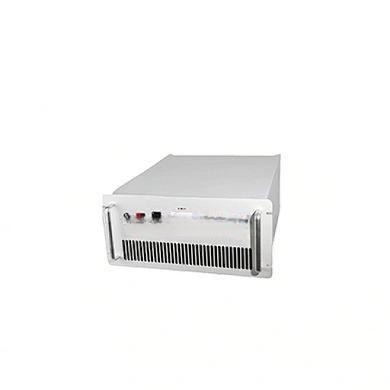
nnThe physical design of the amplifier is tailored for integration into standard 19-inch rack systems, making it suitable for laboratory, industrial, and military installations. The robust chassis ensures durability during transport and operation. All RF connectors are standardized for compatibility with common cabling, while the control interface allows for remote monitoring and automation.nn
| Parameter | Specification |
|---|---|
| Dimensions | 19-inch rackmount, 3U height |
| Weight | 20 kg (44 lbs) |
| RF Connectors (Input/Output) | Type N female |
| Monitor Interface | Type N female |
| Control Interface | GPIB, LAN, RS-232 |
| Cooling Method | Forced air (built-in fans) |
nn
Environmental Resilience and Operating Conditions
nnReliability in harsh environments is a hallmark of high-quality RF equipment. The amplifier is engineered to function within a broad temperature range, ensuring stable performance in both controlled indoor settings and exposed outdoor installations. Storage capabilities further extend its usability, allowing for safe transport and long-term storage without performance degradation.nn
| Parameter | Value |
|---|---|
| Operating Temperature | -10°C to +40°C |
| Storage Temperature | -55°C to +70°C |
nn
Why These Broadband Microwave Amplifier Specifications Matter in Practice
nnSelecting an amplifier without a thorough review of its specifications can lead to system failure or suboptimal performance. For instance, the stated 20W minimum output power ensures that long cable runs and antenna losses do not degrade the signal before transmission. The 48 dB power gain compensates for losses in upstream components, while the 20 dB gain adjustment allows operators to fine-tune the system for different modulation schemes or distances. The high input VSWR tolerance (2:1) indicates robust impedance matching, reducing the risk of reflected power damaging the amplifier.nnThe inclusion of multiple control interfaces—GPIB, LAN, and RS-232—demonstrates the device’s suitability for automated test environments and remote site management. This is particularly valuable in aerospace and defense sectors, where unmanned or remote operation is common. Furthermore, the environmental specifications ensure the amplifier can handle temperature extremes, making it a reliable choice for field-deployable systems.nn
Summary of Key Benefits
nnFrom a practical standpoint, mastering these Broadband Microwave Amplifier Specifications allows for better system design and procurement decisions. The combination of ultra-wideband coverage, high linearity, and ruggedized construction makes this amplifier a versatile tool for research labs, communication ground stations, and electronic countermeasure platforms. The harmonically filtered output and low spurious levels also ensure compliance with regulatory emission standards, which is critical for licensed frequency bands.nnIn conclusion, attention to detailed Broadband Microwave Amplifier Specifications cannot be overstated. Whether you are designing a new radar system or upgrading an existing communication link, these parameters provide the necessary roadmap to achieving reliable, high-fidelity signal amplification. By considering electrical, mechanical, and environmental factors together, engineers can ensure that the selected amplifier not only meets immediate needs but also offers longevity and adaptability for future requirements. The data presented in this article serves as a foundation for making informed, confident choices in the rapidly advancing field of microwave engineering.