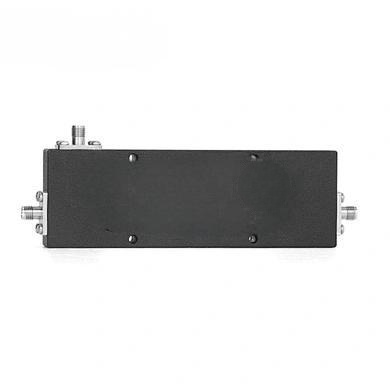
Why RF Connector Specifications Matter for Reliable Performance
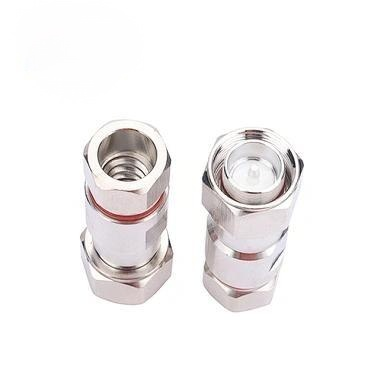
nnIn the world of radio frequency (RF) technology, the smallest component often makes the biggest difference. RF connectors serve as the critical link between cables and devices, determining signal integrity, power handling, and overall system efficiency. Understanding the RF connector specifications is essential for engineers and technicians designing systems for telecommunications, broadcasting, or industrial applications. This article breaks down the key parameters, materials, and performance metrics that define a high-quality RF connector.nn
Material and Plating Construction
nnThe durability and conductivity of an RF connector depend heavily on its materials. High-frequency signals require low-resistance pathways and robust environmental protection. Below are the standard materials used in premium connectors:nn
Center Contact
nThe center contact is typically machined from Brass with a Silver Plating. Silver offers excellent electrical conductivity and corrosion resistance, ensuring minimal signal loss over time.nn
Insulator and Body
nThe insulator is made from PTFE (Polytetrafluoroethylene), a material known for its low dielectric constant and high thermal stability. The body and outer conductor consist of Brass with a Tri-Alloy Plating (often including nickel, copper, and zinc) to resist oxidation and mechanical wear.nn
Sealing and Gasket
nFor outdoor or harsh environment use, a Silicon Rubber gasket provides waterproofing and vibration resistance. This material maintains flexibility across a wide temperature range.nn
Critical RF Connector Specifications: Electrical Characteristics
nnThe electrical performance of a connector dictates its suitability for specific frequencies and power levels. Key parameters include impedance, frequency range, and insulation resistance. The following table summarizes the essential RF connector specifications for a standard 50-Ohm model:nn
| Parameter | Value |
|---|---|
| Impedance | 50 Ohm |
| Frequency Range | DC ~ 3 GHz |
| Insulation Resistance | ≥ 5000 MΩ |
| Dielectric Strength | ≥ 2500 V rms |
| Center Contact Resistance | ≤ 1.0 mΩ |
| Outer Contact Resistance | ≤ 1.0 mΩ |
| Insertion Loss | ≤ 0.1 dB @ 3 GHz |
| VSWR (Voltage Standing Wave Ratio) | ≤ 1.1 @ -3.0 GHz |
nn
Understanding Key Electrical Parameters
nn
Impedance and Frequency Range
nA 50-Ohm impedance is the industry standard for most RF systems, offering a balance between power handling and signal loss. The frequency range of DC to 3 GHz covers many wireless applications, including 4G LTE, Wi-Fi, and IoT devices. For higher-frequency applications like 5G, connectors with a broader bandwidth (e.g., DC to 6 GHz or higher) would be required.nn
Insulation and Dielectric Strength
nHigh insulation resistance (≥5000 MΩ) prevents leakage currents, while dielectric strength (≥2500 V rms) ensures the connector can withstand voltage spikes without arcing. These RF connector specifications are critical for safety in high-power systems.nn
Contact Resistance
nLow center and outer contact resistance (≤1.0 mΩ each) minimizes heat generation at the connection point. High resistance can cause signal degradation and even thermal damage, especially under continuous high-power transmission.nn
Mechanical and Environmental Performance
nnBeyond electrical characteristics, a connector must withstand physical and environmental stress. The following parameters define robustness:nn
Insertion Loss and VSWR
nInsertion loss (≤0.1 dB @ 3 GHz) indicates how much signal power is lost as it passes through the connector. A lower value means better efficiency. VSWR (Voltage Standing Wave Ratio) measures impedance matching; a VSWR ≤1.1 ensures that very little signal power is reflected back, which is crucial for maintaining signal clarity.nn
Temperature Range and Waterproofing
nThe operating temperature range of -40°C to +85°C covers most outdoor and industrial environments. The IP67 waterproof rating guarantees protection against dust ingress and temporary immersion in water, making the connector suitable for outdoor antennas, base stations, and marine equipment.nn
Intermodulation Distortion (PIM) and Signal Purity
nnIn modern telecommunications, passive intermodulation (PIM) is a critical concern. PIM occurs when passive components generate interfering signals that degrade network performance.nn
PIM Rating
nThe connector specification includes a PIM value of ≤ -155 dBc (2×20W). This extremely low PIM rating is essential for high-density cellular networks, where even small intermodulation products can cause dropped calls or reduced data speeds. A lower (more negative) PIM value indicates a cleaner signal path.nn
Practical Applications and Selection Tips
nnWhen choosing an RF connector, always match the RF connector specifications to your system requirements. For example:nn- For base station antennas, prioritize low PIM (≤ -155 dBc) and robust IP67 sealing.n- For indoor lab testing, focus on low insertion loss and stable impedance.n- For outdoor installations in extreme climates, ensure the temperature range and material plating (tri-alloy) are suitable.nnA connector that meets all the parameters listed above—50 Ohm impedance, DC to 3 GHz frequency range, low contact resistance, and IP67 waterproofing—offers a reliable solution for both commercial and industrial applications.nn
Conclusion
nnUnderstanding RF connector specifications is not just about reading numbers; it’s about ensuring that your entire RF system performs with minimal loss and maximum reliability. From material selection (brass with silver plating) to electrical metrics like VSWR and PIM, every specification plays a role in signal integrity. Always verify the connector’s impedance, frequency range, and environmental rating against your project’s demands. By doing so, you can avoid costly signal issues and achieve optimal performance in your RF system design.