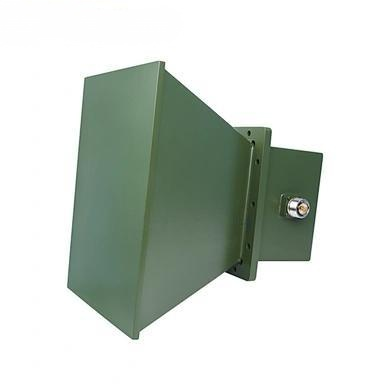
Elevating Network Performance with the 4×4 Wideband Hybrid Combiner
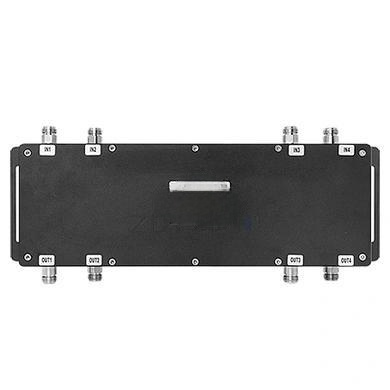
nnIn the demanding world of modern telecommunications, signal integrity and network reliability are paramount. As operators push for broader coverage and higher data throughput, the components that manage and distribute signals must perform flawlessly. The Wideband hybrid combiner 80-1000MHz stands out as a critical solution for complex RF signal management. This device, a 4 In 4 Out Wideband Hybrid Combiner (model PIM – 150dBc Bridge), is engineered to meet the rigorous demands of contemporary communication systems, offering a blend of high performance, robust construction, and operational stability that is essential for both infrastructure providers and system integrators.nnThe device’s architecture is built around a 4×4 configuration, meaning it can accept four separate input signals and distribute them across four output ports. This is not merely a passive splitting or combining process; it is an intelligent management of RF energy. In practice, this allows for the efficient merging of signals from multiple sources, such as different base station carriers or sector antennas, onto a single feeder line, or conversely, the distribution of a single high-power signal to multiple antennas. This versatility is a cornerstone of its value, enabling more streamlined and cost-effective network designs. By reducing the number of required cables and antennas, it directly contributes to lower installation costs and a cleaner, more manageable infrastructure.nn
Uncompromising Signal Purity and Low Intermodulation
nnOne of the most critical performance metrics in any high-quality RF combiner is Passive Intermodulation (PIM). PIM is a form of distortion that occurs when multiple high-power signals interact within a passive component, generating unwanted interference that can severely degrade network performance. The Wideband hybrid combiner 80-1000MHz excels in this area, boasting a PIM rating of ≤ -150 dBc (tested with 2 x +43 dBm carriers). This exceptionally low PIM level is the hallmark of superior engineering, ensuring that the combined signals remain pure and free from the ghosting, dropped calls, and reduced data speeds that high PIM can cause. For network operators, this translates directly into a cleaner spectrum, more reliable connections, and an enhanced user experience, even in the most congested cellular environments.nn
Technical Specifications and Performance Parameters
nnThe device’s exceptional performance is not just theoretical; it is validated by a comprehensive set of technical specifications. The following table provides a clear overview of the key parameters that define the ability of the Wideband hybrid combiner 80-1000MHz to function effectively within a network.nn| Parameter | Value |n| :— | :— |n| Frequency Range | 80 – 1000 MHz |n| Insertion Loss | ≤ 7.2 dB |n| Voltage Standing Wave Ratio (VSWR) | ≤ 1.3 |n| Isolation | ≥ 20 dB |n| Power Handling (Average) | 200 Watts |n| Passive Intermodulation (PIM) | ≤ -150 dBc @ 2 x +43 dBm |n| Connector Type / Impedance | N-Female / 50 Ω |n| Operating Temperature | -26°C to +65°C |n| Ingress Protection (IP) Rating | IP65 |n| Color | Black |nnThe specifications, particularly the low insertion loss and high isolation, are crucial for maintaining signal strength and preventing leakage between ports. The 200W power handling capability ensures the Wideband hybrid combiner 80-1000MHz can cope with the combined output of powerful base station transmitters without performance degradation. Whether for a small outdoor cell or a larger macro site, this power rating provides a comfortable margin of safety.nn
Designed for Demanding Outdoor Environments
nnReliability in the field is non-negotiable. This combiner is not just a laboratory-grade component; it is built for the harsh realities of outdoor deployment. With a robust IP65 rating, the device is completely protected against dust ingress and low-pressure water jets from any direction. This makes it ideally suited for mounting on towers, rooftops, or other exterior locations where it may be exposed to rain, snow, high humidity, and airborne particulates. The operating temperature range of -26°C to +65°C further confirms its ability to perform reliably in a wide variety of climates, from cold northern installations to sun-baked desert sites. The use of high-quality N-Female connectors ensures a durable, weather-resistant connection that maintains its electrical integrity over years of service.nnIn conclusion, the Wideband hybrid combiner 80-1000MHz is more than just a signal combiner; it is a strategic asset for building a high-performance, reliable, and future-proof network. Its low PIM performance, robust construction, and proven specifications make it an indispensable component for any application demanding the highest standards of RF signal integrity. By choosing this device, operators and integrators can ensure that their network infrastructure is capable of delivering the consistent, high-quality service that users expect, even under the most challenging conditions.