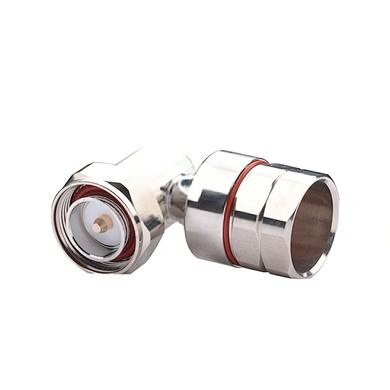
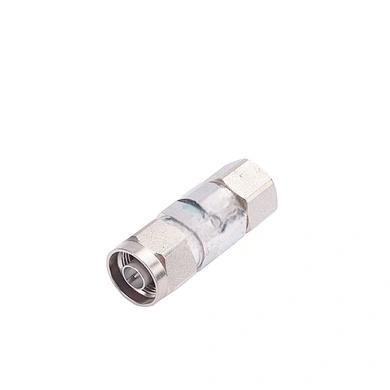
Understanding the RF Attenuator: A Comprehensive Guide to Performance and Specifications
nnIn the world of radio frequency (RF) engineering, precision components are the backbone of reliable signal management. One such essential device is the RF attenuator, a passive component designed to reduce the power of a signal without significantly distorting its waveform. Whether you are testing antennas, balancing signal levels in a lab, or protecting sensitive receivers, the right attenuator ensures optimal system performance. This guide focuses on a high-quality attenuator that operates across a broad frequency range, highlighting its key features, applications, and the critical role it plays in maintaining signal integrity.nn
Key Specifications and Performance Metrics
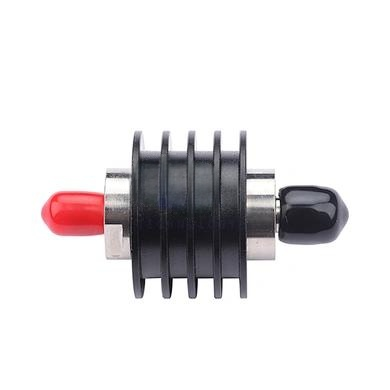
nnAn attenuator’s value lies in its ability to deliver consistent, predictable performance under various conditions. Below is a detailed breakdown of the specifications for a 10W RF attenuator designed for demanding environments.nn
Frequency Range and Attenuation
nnThe device operates from DC to 6000 MHz, covering a wide spectrum suitable for cellular, Wi-Fi, and microwave applications. The attenuation value is adjustable from 3 dB to 40 dB, allowing fine control over signal reduction. With a tolerance of ±0.75 to 1.2 dB, it offers reliable accuracy across the entire band.nn
Signal Quality and Reflections
nnTo maintain signal clarity, the attenuator boasts a return loss of ≥19 dB and a VSWR (Voltage Standing Wave Ratio) of ≤1.25. These metrics indicate minimal signal reflection, ensuring that most of the input power is absorbed rather than bounced back to the source. This is crucial for preventing interference and maintaining system stability.nn
Intermodulation and Power Handling
nnFor high-linearity applications, intermodulation products are a key concern. This attenuator achieves ≤ –120 dBc (with 2 x 43 dBm input), which means it introduces virtually no distortion even under strong signal conditions. The maximum input power is 10 watts (10W), making it suitable for moderate-power transmission systems.nn
Environmental and Physical Characteristics
nnDurability and adaptability are hallmarks of this component. It operates reliably across a temperature range of –20°C to +75°C and can withstand relative humidity from 5% to 95%, making it appropriate for outdoor or industrial use. The impedance is standardized at 50Ω, matching most RF systems.nn
Mechanical Specifications
nnThe attenuator is compact, with dimensions of 64.65 x 35 x 35 mm and a weight of just 180 grams. Its connector type is SMA male to SMA female, a common interface for RF cables and test equipment. The device is rated with an IP65 ingress protection, meaning it is fully protected against dust and low-pressure water jets.nn
The Attenuator’s Role in RF Systems
nnA high-performance attenuator ensures that signals are reduced to safe or desired levels without introducing noise or distortion. This is particularly important in measurement setups where accuracy is paramount. The 10W attenuator described here excels in environments where both wide frequency coverage and robust construction are required.nn
Applications and Use Cases
nnTypical applications include:n- Laboratory testing and calibration of RF equipment.n- Balancing signal levels in multi-channel communication systems.n- Protecting sensitive components from overdrive.n- Simulating path loss in wireless network design.nn
Technical Data Summary
nnAll critical specifications are consolidated in the table below for quick reference and comparison.nn
| Parameter | Value |
|---|---|
| Frequency Range | DC – 6000 MHz |
| Attenuation Value | 3 – 40 dB |
| Attenuation Tolerance | ±0.75 to 1.2 dB |
| Return Loss | ≥19 dB |
| VSWR | ≤1.25 |
| Intermodulation Products | ≤ –120 dBc (with 2 x 43 dBm) |
| Maximum Input Power | 10 W |
| Operating Temperature | –20°C to +75°C |
| Relative Humidity | 5% – 95% |
| Impedance | 50 Ω |
| Dimensions | 64.65 x 35 x 35 mm |
| Weight | 180 g |
| Connector Type | SMA Male – SMA Female |
| Ingress Protection | IP65 |
| Color | Black |
nn
Conclusion: Why Precision Matters
nnSelecting the right attenuator directly impacts the reliability and accuracy of your RF system. The model detailed above offers a combination of wide bandwidth, tight tolerance, low intermodulation, and robust environmental protection. By integrating this attenuator into your setup, you ensure consistent signal reduction without compromising performance. Whether you are a seasoned engineer or a technician building a test bench, understanding these specifications helps you make an informed choice.