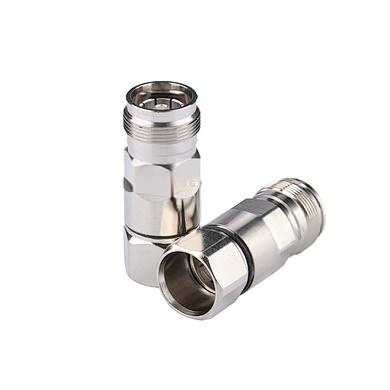
High-Performance N-Male to N-Male Coaxial Interconnect: Precision RF Engineering
nn
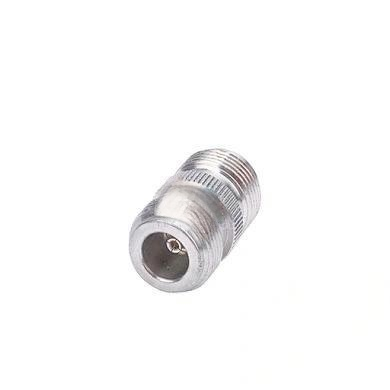
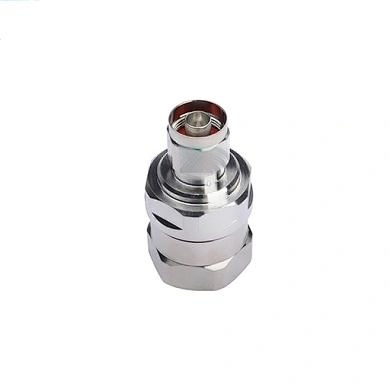
When building or maintaining high-frequency communication systems, the dependability of every component matters. The N-Male to N-Male adapter, engineered to IEC 60169-16 standards, offers a straight, robust connection designed to minimize signal loss and maintain impedance integrity. This interface is the backbone of many modern RF applications, from broadcast equipment to laboratory testing, where consistent performance is non-negotiable. Whether you are deploying a cellular distributed antenna system (DAS) or connecting a high-power amplifier, this connector ensures that your signal path remains stable and free from interference.
nn
Every N-Male to N-Male connector is crafted with precision. The use of a straight mounting angle simplifies installation in tight equipment racks and patch panels, reducing the strain on adjoining cables and ports. This design consideration extends the lifespan of your entire RF chain while preserving the critical electrical characteristics that high-frequency signals demand. By combining rugged mechanical design with stringent electrical specifications, this component delivers the reliability that professional installations require.
nn
Electrical Specifications and Signal Integrity
nn
The electrical performance of any coaxial connector is paramount. This N-Male to N-Male interface provides a consistent 50-ohm impedance across a frequency range from DC to 3 GHz. Such broad bandwidth compatibility makes it ideal for a variety of wireless standards, including Wi-Fi, cellular, and two-way radio systems. The careful control of impedance minimizes reflections and voltage standing wave ratio (VSWR) issues, ensuring that your transmitted power reaches its destination efficiently.
nn
High-performance systems also demand low passive intermodulation (PIM). This connector achieves a third-order intermodulation distortion (IMD) performance of ≤ -150 dBc (measured at 2×20W), a critical specification for multi-carrier environments. When multiple transmitters share a single antenna or site, low PIM prevents interference that could degrade call quality or data throughput. The low contact resistance (≤ 1.0 mΩ for both inner and outer contacts) and exceptional insulation resistance (≥ 5000 MΩ·km) further contribute to stable signal transmission over long cable runs.
nn
N-Male to N-Male Connector Electrical Performance Table
nn
The following technical data outlines the key electrical parameters of this RF interconnect:
nn
| Parameter | Value |
|---|---|
| Impedance | 50 Ω |
| Operating Frequency Range | DC ~ 3 GHz |
| 3rd Order Intermodulation (IMD) | ≤ -150 dBc @ 2×20W |
| Inner Contact Resistance | ≤ 1.0 mΩ |
| Outer Contact Resistance | ≤ 1.0 mΩ |
| Insulation Resistance | ≥ 5000 MΩ·km |
| Dielectric Withstanding Voltage (RMS, 50Hz, sea level) | ≥ 2500 V |
| Voltage Standing Wave Ratio (VSWR) | ≤ 1.08 |
| Insertion Loss | ≤ 0.08 dB |
nn
Materials and Environmental Resilience
nn
An RF connector is only as reliable as its materials. This N-Male to N-Male part uses a brass alloy for both inner and outer contacts, with a specialized silver plating on the inner contact to maximize conductivity and minimize signal loss. The outer contact features a Tri-Alloy plating, offering superior corrosion resistance and consistent performance over time, even in challenging outdoor installations. The insulator, constructed from PTFE (polytetrafluoroethylene), provides excellent dielectric stability across a wide range of frequencies and temperatures.
nn
Environmental protection is another critical aspect of modern RF hardware. This connector is rated for an operating temperature range of -40°C to +85°C, making it suitable for extremes of climate. Furthermore, the interface achieves an IP67 waterproof rating, meaning it is fully protected against dust ingress and can withstand temporary immersion in water. This ruggedness ensures that outdoor antenna systems, base stations, and infrastructure equipment remain operational in rain, snow, and heavy condensation. The design also complies fully with the 2011/65/EU (RoHS) directive, meeting global standards for the restriction of hazardous substances.
nn
N-Male to N-Male Connector Material and Environmental Properties
nn
| Component | Material / Plating | Environmental Parameter | Rating / Value |
|---|---|---|---|
| Inner Contact | Brass alloy plated with silver | Operating Temperature Range | -40°C ~ +85°C |
| Outer Contact | Brass alloy plated with Tri-Alloy | Waterproof Rating | IP67 |
| Insulator | PTFE | RoHS Compliance | 2011/65/EU (RoHS) |
nn
Applications and Installation Best Practices
nn
Engineers and system integrators choose this N-Male to N-Male connector for its proven reliability in demanding environments. Common applications include interconnecting base station radios to antennas, linking remote radio heads (RRH) to main units, and creating test setups in RF labs where repeatable measurements are critical. The straight, rugged body design facilitates inline connections without the need for additional adapters, reducing the overall insertion loss and potential failure points in the signal path.
nn
For optimal performance, ensure that connectors are mated with proper torque and that the interface is free from debris before installation. The durable silver and Tri-Alloy platings resist galling and wear, but regular inspection is recommended for assets deployed in corrosive environments. By integrating this high-quality N-Male to N-Male interconnect into your system, you maintain the signal purity and mechanical strength necessary for both mission-critical communications and high-data-rate applications.
nn
Conclusion: A Trusted Link for Your RF Chain
nn
The choice of a reliable N-Male to N-Male connector can define the success of your network’s physical layer. From its precise 50-ohm characteristic impedance and low VSWR to its IP67-rated durability, every aspect of this component is focused on maintaining signal fidelity. The exceptional intermodulation performance ensures that your system remains clean and efficient, even when operating multiple carriers. When you require a connection that you can trust under temperature extremes, heavy weather, or constant vibration, this connector delivers the electrical and mechanical stability your equipment deserves. Choosing the right N-Male to N-Male interface is an investment in the long-term uptime and performance of your entire communication infrastructure.