Understanding High-Performance Combiner Specifications
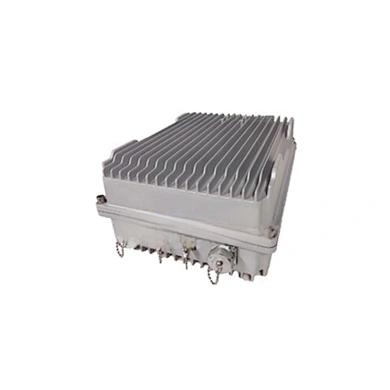
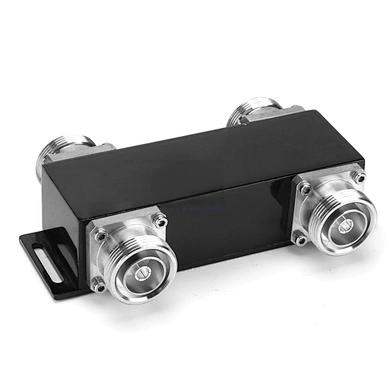
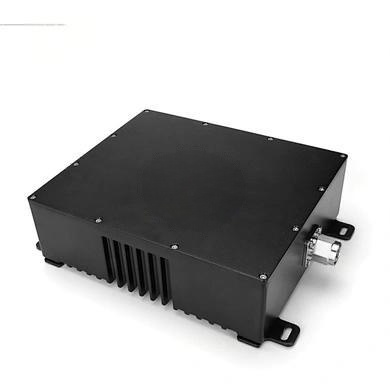
nnWhen designing or maintaining RF communication systems, the choice of a combiner can significantly impact network performance. The following article explores the critical electrical and mechanical attributes of a 555–6000 MHz combiner, focusing on efficiency, reliability, and installation requirements. This device balances broad frequency coverage with robust construction, making it ideal for indoor and outdoor environments.nn
Electrical Specifications: The Core of Combiner Performance
nnThe electrical specifications of this combiner define its ability to handle signals with minimal distortion and loss. Operating across a frequency range of 555 to 6000 MHz, it supports a wide array of wireless standards, including 4G LTE, 5G NR sub-6 GHz, and Wi-Fi bands. The voltage standing wave ratio (VSWR) is ≤1.3:1 across this spectrum, ensuring excellent impedance matching and reduced signal reflection. This low VSWR directly contributes to lower system noise and improved coverage reliability.nnDistribution loss is a modest 3.1 dB, while insertion loss remains ≤1 dB. These values indicate high efficiency, preserving signal strength and reducing the need for additional amplification. Passive intermodulation (PIM) is exceptionally low at ≤−161 dBc (tested with 2 x 20 W carriers), which is critical for minimizing interference in densely populated spectrum environments. Output isolation measures ≤−22 dB, preventing cross-talk between combined signals and maintaining signal integrity. The system can handle up to 300 watts of RF power, making it suitable for high-power base station applications. The characteristic impedance is 50 ohms, matching standard RF transmission lines.nn
Environmental and Mechanical Durability
nnTo ensure consistent operation under harsh conditions, the combiner is designed with stringent environmental tolerances. The electrical specifications are supported by a wide operating temperature range from −25°C to +70°C, while storage capabilities extend from −40°C to +85°C. This thermal resilience makes the device reliable in both extreme cold climates and hot, arid environments. The degree of protection is rated IP65, meaning it is dust-tight and protected against low-pressure water jets. This sealing ensures the internal circuitry remains safe from moisture and particulate ingress, which is essential for outdoor installations on towers or rooftops.nn
Connector Interface and Installation
nnThe combiner uses D-F connectors, a rugged and proven interface known for low insertion loss and secure connections. These connectors are torque-resistant and designed for repeated mating cycles without performance degradation. Proper installation requires adherence to the specified torque values (typically provided in the manufacturer’s manual) to maintain the low VSWR and PIM performance. When integrating this combiner into a system, engineers must ensure that all coaxial cables and jumpers also meet the 50-ohm impedance standard to avoid impedance discontinuities.nn
Comprehensive Technical Data: Tabulated Specifications
nnThe following table consolidates all critical electrical specifications and mechanical parameters. This structured format allows for quick reference during system design, procurement, or troubleshooting.nn
| Parameter | Value |
|---|---|
| Frequency Range | 555–6000 MHz |
| Voltage Standing Wave Ratio (VSWR) | ≤1.3:1 |
| Distribution Loss | 3.1 dB |
| Insertion Loss | ≤1 dB |
| Passive Intermodulation (PIM) | ≤−161 dBc @ 2 x 20 W |
| Output Isolation | ≤−22 dB |
| Power Handling | 300 W |
| Impedance | 50 Ω |
| Operating Temperature Range | −25°C to +70°C |
| Storage Temperature Range | −40°C to +85°C |
| Degree of Protection (IP Code) | IP65 |
| Connector Type | D-F |
nn
Conclusion: Optimizing Network Performance with the Right Combiner
nnSelecting a combiner with robust electrical specifications is crucial for maintaining signal quality and system reliability in modern RF networks. The device detailed above offers broad frequency coverage, low loss, high isolation, and excellent PIM performance, all housed in a durable IP65-rated enclosure. By carefully reviewing the electrical and mechanical parameters presented in this article—and specifically the tabulated data—you can make an informed decision that aligns with your deployment requirements. Whether for a macro cell, small cell, or distributed antenna system (DAS), this combiner delivers the consistent performance necessary for today’s demanding wireless environments.